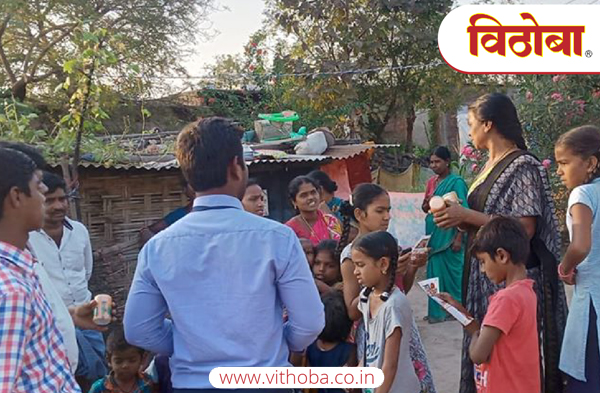
Oral disorders have remained the most prevalent disease group in rural India over the past three decades. As India is one of the countries consuming maximum tobacco, a leading cause of oral cancer, the problem has only aggravated in the recent past. The rapidly deepening dental health crisis in rural India mostly the result of lack of awareness about dental hygiene. Just small steps like cleaning teeth with ayurvedic dant manjan or tooth powder can help in building the oral health scenario in rural India.
The burden of dental diseases in India
Indians are largely affected by dental caries or tooth decay, periodontal disease, and oral cancer. According to the ministry of health and family welfare, while dental caries affect about 60% and periodontal disease about 85% of the Indian population, the country is considered the world capital for oral cancer. According to government estimates, more than 70% of school children are suffering from dental caries and more than 90% of the adult population is affected by periodontal disease.
Dental caries is one of the major causes of pain, discomfort and absenteeism from school and sometimes office work too. Gingival and periodontal diseases also account for tooth loss and associated disabilities.
According to the draft National Oral Health Policy 2018, the prevalence and recurrence of oral diseases in India is a silent epidemic. There has been next to no improvement in oral health status of Indian population in the past three decades.
Oral disorders have remained the most prevalent disease group in India over the past three decades affecting almost 66.7 crore (49.2% in comparison to 43.2 crore; 50.2%) people in 2017. Different oral conditions such as untreated caries of permanent teeth, untreated caries of deciduous teeth and severe periodontitis have a significant burden affecting 43.2 crores (32%), 11.2 crores (8.3%) and 18.1 crores (13.3%) people in India. Despite the scale of the problem, only 12.4% of adults have ever got their oral cavity examined by a dentist, the draft National Oral Health Policy 2018 notes.
The problem of dental diseases is more staggering in rural areas owing to inaccessibility to dental professionals. Lack of dental infrastructure and public hospitals is also a worrisome situation as this makes even the simple dental procedures unavailable to the common man who then has to bear the treatment from out of his pocket expenses. In such a situation he is usually forced to get his tooth extracted as this seems to be relatively cheaper without any awareness of the associated morbidity.
As India is one of the countries consuming maximum tobacco, a leading cause of oral cancer, the problem has only aggravated in the recent past. India has the highest number of oral cancers in the world with 75,000 to 80,000 new cases every year. All forms of chewing tobacco sold in small pouches across the country are a serious health hazard as they are targeted at the youth and children.
Ignorant to dental hygiene? Know the unknown facts
While it is widely known that poor dental care causes tooth decay, unwanted stains, bad breath and tooth loss, there are several unknown facts related to poor oral and dental hygiene that may lead to serious health problems. Doctors say mouth and body are integral to each other as one’s mouth is a window into what’s going on in the rest of the body. Doctors claim that poor oral hygiene is also linked to heart diseases, diabetes, pregnancy complications.
Bacteria present in gum diseases enter the bloodstream and this in turn increases the risk of heart attacks, poorly controlled diabetes, respiratory diseases and dementia. Research has also shown that a diseased mouth may contribute to immune system disorders and preterm birth. Also, there are many general health conditions such as AIDS and skin diseases which often first manifest in the mouth.
The draft oral health policy outlines the social determinants of oral health. Oral diseases are associated with an array of socio-economic and environmental factors including income, literacy, hygiene, sanitation, housing, and safe drinking water.
Research suggests that good dental health can keep several chronic health complications at bay. Not only does it prevent bad breath, tooth decay and gum disease, but also reduces the risk of health issues such as heart attack, stroke, poorly controlled diabetes and even preterm labor. Adopting simple techniques like brushing your teeth regularly with the best ayurvedic toothpaste, getting dental checkup once a while go a long way in maintaining good oral hygiene. It is more necessary than ever to take dental health seriously and spread the importance of oral hygiene, especially in rural India.
 Vithoba Oral Guide