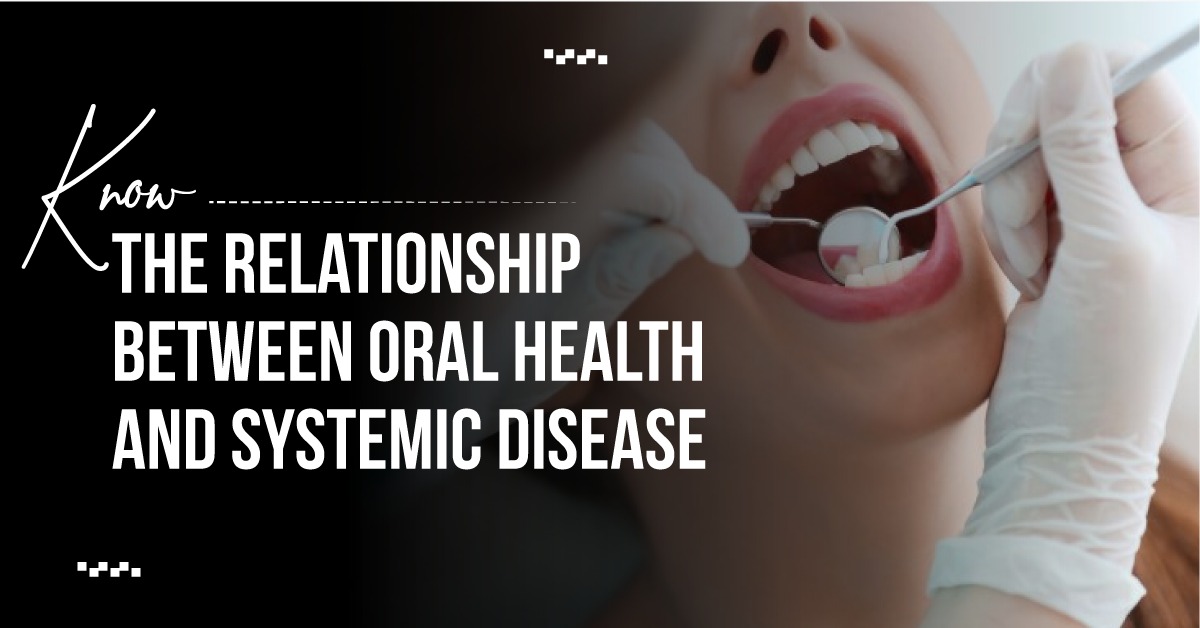
Over the past few decades, there has been significant proof of the relationship between oral and systemic disease. A variety of systemic diseases, including those of the heart, nervous system, and lungs, can affect the onset and progression of oral diseases. Likewise, systemic diseases can make individuals more likely to develop oral illnesses. The incidence of oral and systemic diseases is influenced by a number of similar risk factors, such as aging, smoking, alcohol abuse, gender, educational attainment, socioeconomic level, and genetic predisposition. Numerous prior scientific studies have found common genetic risk factors for oral and systemic disease that may predispose some people to develop both diseases.
The linked mechanisms between dental and systemic disorders involve many different types of gene families, such as immunosuppressive genes, autoimmune genes, inflammatory mediator genes, programmed cell death-related genes, or neuropeptide genes. The increased risk of gum disease, oral mucosal disease, especially oral hairy leukoplakia, and oral squamous cell carcinoma among organ transplant patients who have a long history of using anti-inflammatory medications is reflective of the immunosuppression genes’ involvement in the onset of oral disease. Also, due to the participation of an unbalanced inflammatory immune response in both disorders, inflammatory mediator genes like cytokines and chemokines have been clearly proven to be the link between oral health and systemic disease. In particular, inflammatory mediators may encourage the development of the tumor microenvironment and cause the start and development of dangerous illnesses. The genetic processes connecting oral disease and systemic disease remain to call for more and deeper study, despite some prior data suggesting a genetic relationship between oral health and systemic disease.
Researchers have long known that the mouth and the rest of the body are linked according to studies. Problems with your oral health can result in more than simply pain and suffering. They may make it difficult for you to speak, chew, or swallow, which makes it harder for you to get the nutrition your body needs to stay healthy, engage in daily activities, and communicate with others. Additionally, overweight and dental decay is caused by poor nutrition. Therefore, maintaining good oral health is essential for avoiding systemic diseases.
The following
Here are some tips to maintain good oral health:-
- Give your dentist a thorough medical history, mentioning any illnesses and drug usage.
- Use Ayurvedic toothpaste to brush your teeth twice every day. In order to maintain good oral health, you can also use Vithoba Ayurvedic Dant Manjan.
- To help remove plaque, the sticky bacteria layer that forms between your teeth and under your gums, floss every day.
- For a checkup and thorough cleaning at your dentist on a regular basis, you can help prevent issues and detect any problems early on. A number of diseases are frequently diagnosed in the mouth.
- Maintain a healthy immune system, avoid heart disease, and reduce the progression of diabetes by eating a well-balanced diet.
Conclusion:-
If you smoke, discuss your options for quitting with your dentist.
The relationship between your oral health and overall health is clear. You can make significant progress toward enhancing your general health by giving your oral health a top priority. Start the recommended routine of home care today, and schedule an appointment with your dentist if you have not seen one in more than 6 months. Your likelihood of experiencing negative health effects is reduced by identifying issues as soon as possible!
Also, read…
 Vithoba Oral Guide