Be yourself; Everyone else is already taken.
— Oscar Wilde.
This is the first post on my new blog. I’m just getting this new blog going, so stay tuned for more. Subscribe below to get notified when I post new updates.
Be yourself; Everyone else is already taken.
— Oscar Wilde.
This is the first post on my new blog. I’m just getting this new blog going, so stay tuned for more. Subscribe below to get notified when I post new updates.
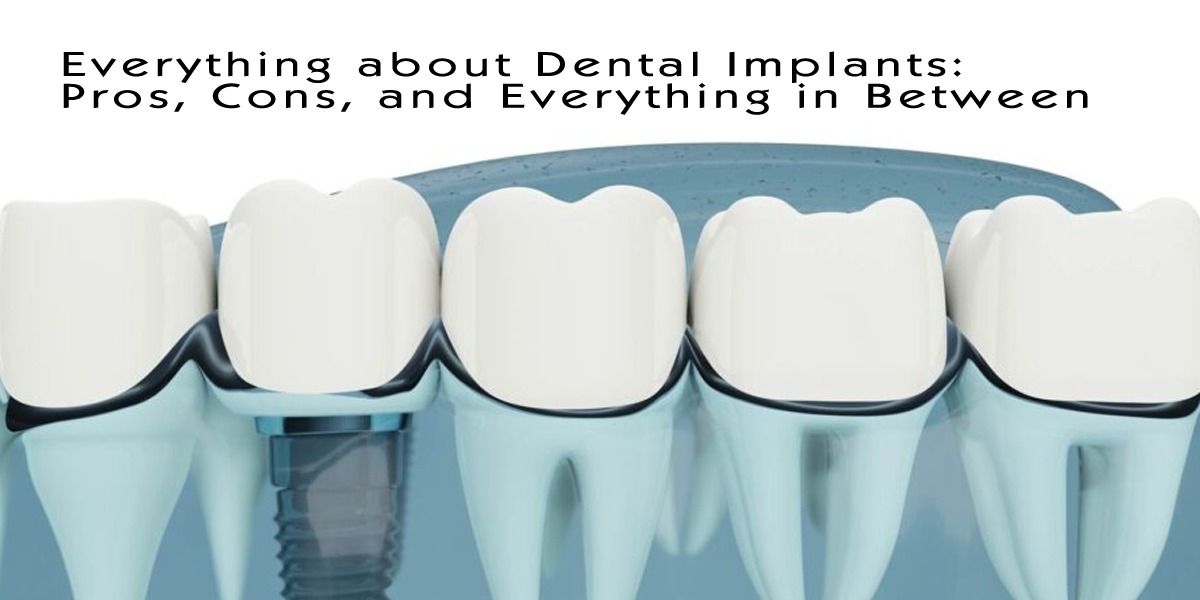
Dental implants are a popular option for replacing missing teeth. They are titanium posts that are surgically placed into the jawbone, acting as a root for an artificial tooth or bridge. Here is everything you need to know about dental implants, including their pros, cons, and everything in between.
Click here to see the best ayurvedic dant manjan.
Improved appearance: It looks and feels like natural teeth, and they can improve your smile and overall appearance.
Improved speech: Missing teeth can affect your speech, and dental implants can help restore your ability to speak properly.
Improved comfort: Dental implants are designed to fuse with your jawbone, making them a permanent and comfortable solution for missing teeth.
Improved chewing ability: It functions like natural teeth, allowing you to chew and eat comfortably.
Improved oral health: Dental implants do not require adjacent teeth to be modified or extracted, which helps to preserve the health of your remaining natural teeth.
Long-lasting: With proper care and maintenance, dental implants can last a lifetime.
Cost: It can be expensive, especially if you need multiple implants or a full arch replacement.
Surgery: The dental implant procedure requires surgery, which can be uncomfortable and may require a recovery period.
Time: It requires a healing period of several months before the final restoration can be placed.
Bone density: In some cases, patients may not have enough bone density to support a dental implant, requiring a bone graft procedure before the implant can be placed.
Infection: Like any surgical procedure, there is a risk of infection following dental implant surgery.
The dental implant procedure typically involves multiple appointments over the course of several months. The first appointment involves placing the implant into the jawbone, and the second appointment involves attaching the abutment to the implant. The final appointment involves placing the crown or bridge onto the abutment.
Dental implants require proper oral hygiene, including brushing and flossing regularly, as well as routine dental check-ups.
Patients with certain medical conditions may not be good candidates for it, including those with uncontrolled diabetes, heart disease, or a weakened immune system.
These are popular and effective solutions for missing teeth, with a success rate of over 95%.
Conclusion
If you are considering a dental implant, it is important to consult with a qualified dental professional to determine if you are a good candidate and to discuss the potential risks and benefits of the procedure.
Orthodontic treatments are often associated with teenagers and adolescents, but did you know that adults can benefit from them too? If you’re unhappy with the appearance of your teeth or have issues with bite alignment, there are various orthodontic treatments available that can help you achieve a straighter, more confident smile. Here are some of the options for orthodontic treatments for adults:

Traditional metal braces are the most common type of braces and have been used for many years to straighten teeth. They consist of metal brackets and wires that are bonded to the teeth, and they work by gradually applying pressure to move the teeth into the desired position. While they are typically associated with teenagers, many adults also opt for traditional braces to correct their dental issues.

Ceramic braces are similar to traditional metal braces, but the brackets are made of clear or tooth-colored materials that blend in with your teeth. This makes them less noticeable than traditional braces and a popular choice for adults who are self-conscious about their appearance. Ceramic braces are also more fragile than metal braces, so they require extra care and attention during treatment.
Lingual braces are similar to traditional metal braces, but the brackets and wires are attached to the back of the teeth instead of the front. This makes them virtually invisible from the front and a popular choice for adults who want to straighten their teeth discreetly. However, lingual braces can be more difficult to clean and maintain, and they may cause more discomfort than traditional braces.
Invisalign is a popular orthodontic treatment for adults that uses clear, removable aligners to gradually shift the teeth into the desired position. These aligners are custom-made to fit your teeth and are replaced every two weeks with a new set. Invisalign is a popular choice for adults because the aligners are virtually invisible and can be removed for eating and brushing. However, Invisalign may not be suitable for more severe orthodontic issues.

Clear aligners are similar to Invisalign but are typically used for more minor dental issues. They consist of clear, plastic trays that are custom-made to fit your teeth and apply gentle pressure to shift them into the desired position. Clear aligners are removable for eating and brushing and are a popular choice for adults who want a more discreet orthodontic treatment.
It’s important to note that orthodontic treatments can take anywhere from a few months to a few years, depending on the severity of the dental issues being addressed. It’s essential to follow your orthodontist’s instructions and attend all scheduled appointments to ensure the best possible outcome.
Maintaining good oral hygiene is also crucial during orthodontic treatment. Brushing and flossing regularly and avoiding sugary and acidic foods and drinks can help prevent tooth decay and gum disease. Using an Ayurvedic natural toothpaste like Vithoba can also be beneficial during orthodontic treatment, as it contains natural ingredients that can help prevent tooth decay and gum disease.
In conclusion, orthodontic treatments are not just for teenagers. Adults can benefit from various orthodontic treatments to achieve a straighter, more confident smile. From traditional metal braces to clear aligners, there are many options available to suit your needs and preferences. By following your orthodontist’s instructions and maintaining good oral hygiene, you can achieve a beautiful, healthy smile at any age. Using an Ayurvedic natural toothpaste like Vithoba can also be beneficial during orthodontic treatment to maintain good oral health.
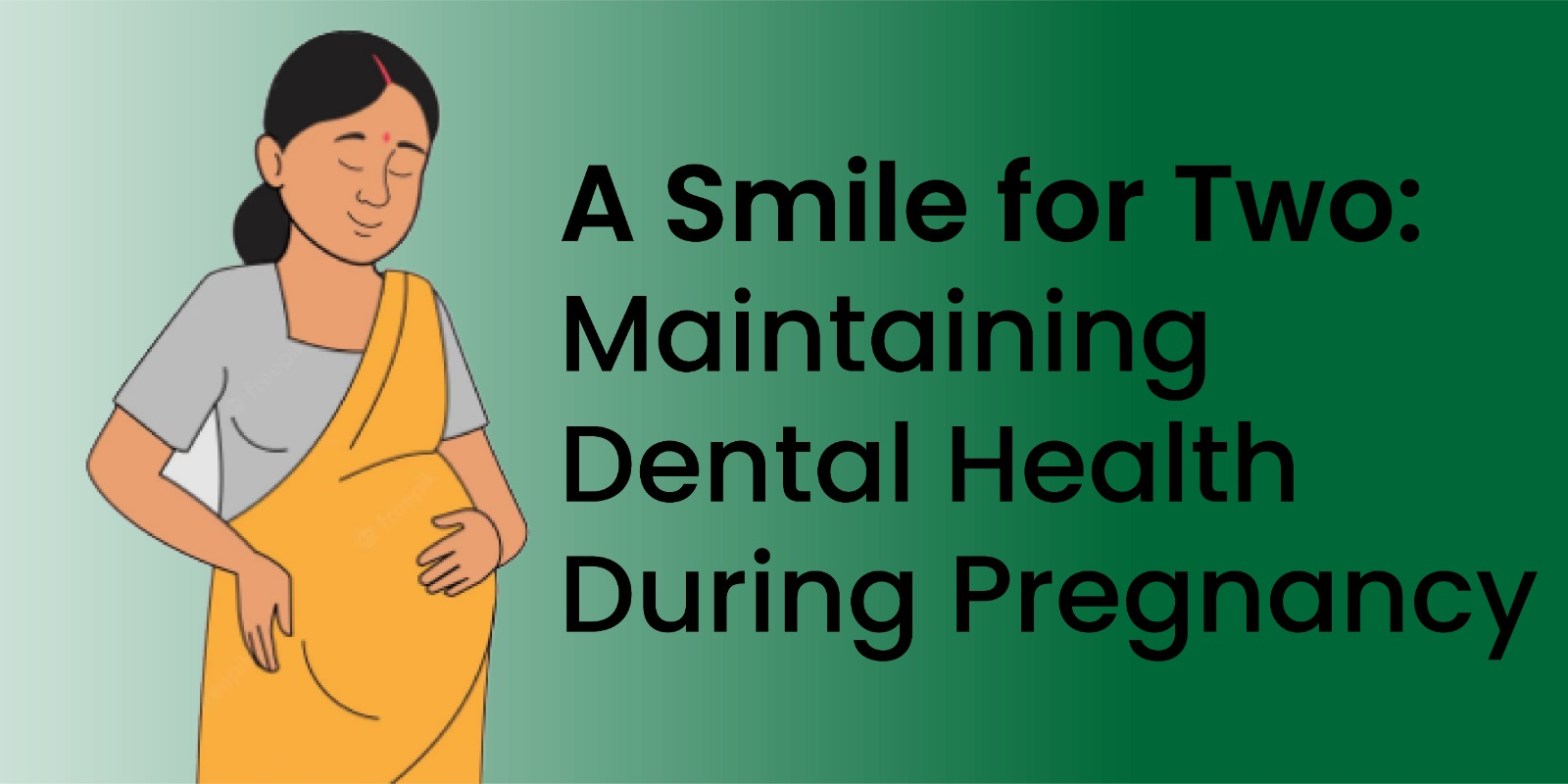
Pregnancy is an exciting time for many women, but it also comes with many changes and challenges, including changes in dental health. Many women may experience pregnancy tooth decay, which is a common dental issue that affects expecting mothers. However, with the right dental care, you can maintain good oral health throughout your pregnancy.
Here are some tips on how to keep your smile healthy during pregnancy:-

Maintaining good oral hygiene is crucial during pregnancy. Brushing your teeth twice a day with fluoride-free toothpaste and flossing daily can help prevent tooth decay and gum disease. It is also important to visit your dentist regularly for cleanings and checkups, especially during pregnancy. Your dentist can monitor your dental health and identify any potential issues before they become more significant problems. Click here to know about the Risk of childhood oral cancer – causes and symptoms

Pregnancy cravings can be hard to resist, but it’s essential to watch your diet for the sake of your dental health. Avoid sugary and acidic foods and drinks, as they can cause tooth decay and erosion. Instead, opt for healthy, nutrient-rich foods like fruits, vegetables, and whole grains. Drinking plenty of water can also help flush out harmful bacteria and keep your mouth hydrated.

An Ayurvedic natural toothpaste like Vithoba Rootfix can be a great way to maintain good oral health during pregnancy. Vithoba toothpaste contains natural ingredients like neem, clove, and fennel, which can help prevent tooth decay and gum disease. These ingredients have anti-bacterial and anti-inflammatory properties that can keep your mouth healthy and free from harmful bacteria.

Morning sickness is a common symptom of pregnancy, and it can take a toll on your dental health. The stomach acid that comes up during vomiting can erode the enamel on your teeth, leading to tooth decay and sensitivity. To prevent this, rinse your mouth with water after vomiting. Avoid brushing your teeth immediately after vomiting, as this can damage the enamel further.

Getting enough calcium and vitamin D is essential for maintaining good dental health during pregnancy. Calcium and vitamin D help strengthen teeth and bones, and they also support your baby’s bone development. Good sources of calcium include dairy products, leafy greens, and fortified foods. Vitamin D can be found in egg yolks, fatty fish, and fortified foods. If you’re not getting enough of these nutrients from your diet, talk to your healthcare provider about taking supplements.

X-rays can be harmful to the developing fetus, so it’s essential to avoid them during pregnancy unless absolutely necessary. If you need dental work done, be sure to inform your dentist that you’re pregnant so they can take the necessary precautions to protect your baby. In some cases, dental work may need to be postponed until after delivery.

Pregnancy can be an expensive time, and dental care is no exception. Consider investing in dental insurance to help cover the cost of cleanings, checkups, and any necessary dental work. Many dental insurance plans cover routine dental care and some dental procedures, which can help ease the financial burden of dental care during pregnancy.
In conclusion, maintaining good oral health during pregnancy is essential for both your dental health and your baby’s health. By following these tips and taking care of your teeth and gums, you can prevent pregnancy tooth decay and keep your smile healthy throughout your pregnancy. Using an Ayurvedic natural toothpaste like Vithoba can be a great addition to your dental care routine, as it contains natural ingredients that can help prevent tooth decay and gum disease.
Oral thrush, also known as oral candidiasis, is a common fungal infection that can affect anyone, regardless of age or gender. It is caused by the overgrowth of a fungus called Candida, which is normally present in the mouth in small amounts. When the balance of good and bad bacteria in the mouth is disrupted, Candida can grow out of control and cause oral thrush.
Causes of Oral Thrush:
There are several factors that can contribute to the development of oral thrush, including:
Weak immune system: People with weakened immune systems, such as those with HIV/AIDS, cancer, or diabetes, are more susceptible to oral thrush.
Antibiotics: Antibiotics can kill the good bacteria in the mouth, allowing Candida to grow unchecked.
Steroids: Steroids can weaken the immune system and increase the risk of oral thrush.
Dentures: Dentures that don’t fit properly can create a breeding ground for Candida.
Dry mouth: A dry mouth can provide the perfect environment for Candida to grow.
Symptoms of Oral Thrush:
The symptoms of oral thrush can vary depending on the severity of the infection. Common symptoms include:
Treatment Options for Oral Thrush:
There are several treatment options for oral thrush, including:
Antifungal medication: Antifungal medication can be taken orally or applied topically to the affected areas of the mouth. This medication is often prescribed by a doctor or dentist.
Saltwater rinse: A saltwater rinse can help to reduce inflammation and remove any debris from the mouth. To make a saltwater rinse, mix 1/2 teaspoon of salt with 8 ounces of warm water.
Probiotics: Probiotics can help to restore the balance of good and bad bacteria in the mouth, which can prevent the growth of Candida.
Good oral hygiene: Brushing and flossing regularly can help to prevent the overgrowth of Candida. It’s also important to clean dentures thoroughly and remove them at night.
You can also try using Vithoba Ayurvedic Toothpaste to keep your teeth strong and maintain good oral hygiene.
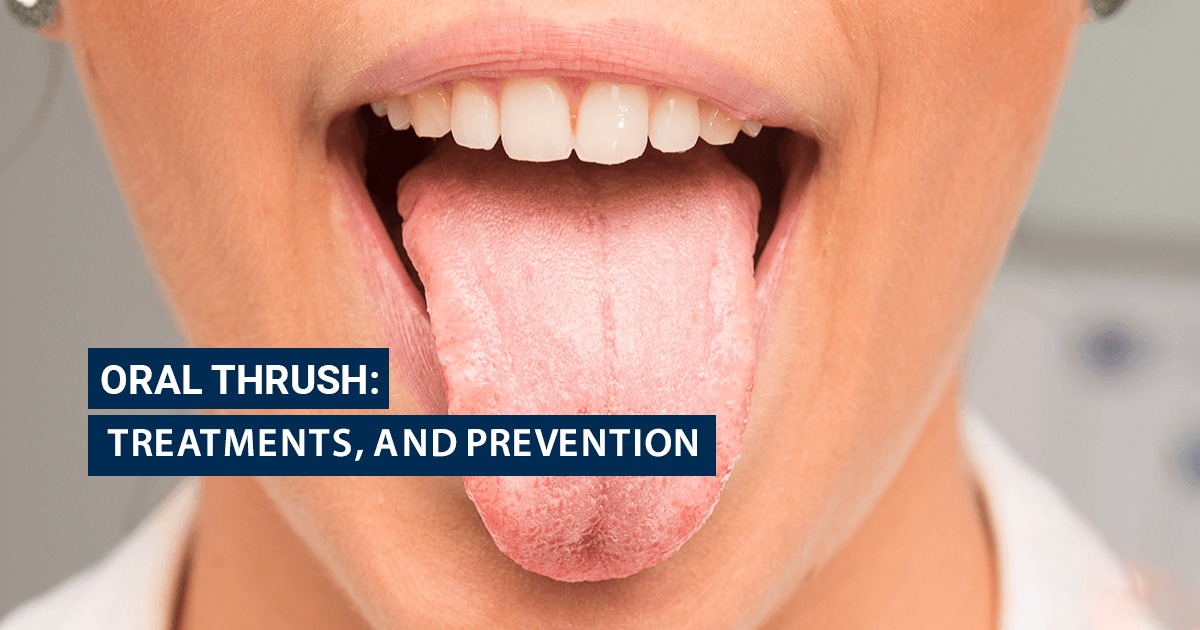
Oral thrush is a common illness caused by a Candida overgrowth in the mouth. It can be painful and unsightly, yet there are various treatments and prevention methods available. In this blog, we’ll look at some options for effectively managing oral thrush.
Antifungal medicines, topical ointments, and natural remedies are all options for treating oral thrush. There are several effective medicines for oral thrush, including antifungal lozenges, mouthwashes, and prescription medications.
To treat the infection, your doctor might recommend antifungal medicines such as fluconazole or nystatin. These drugs are effective in killing the fungus and preventing its growth. Oral thrush can also be treated with topical creams such as clotrimazole or miconazole.
Oral thrush treatment for adults typically involves antifungal medications such as fluconazole, which can be taken orally or applied topically to the affected area. They work by reducing swelling and killing the fungus when applied to the area that is affected.
There are many home remedies that can help manage oral thrush in addition to medical treatments. These are some examples:-
When it comes to treating oral thrush, prevention is everything. Here are some tips to help prevent recurrent oral thrush:-
Conclusion:- Oral thrush can be uncomfortable, but with the right prevention and treatment strategies, it can be managed effectively. If you suspect you have oral thrush, see your doctor right away for a proper diagnosis and treatment. With some attention and effort to oral hygiene, you can avoid recurrent oral thrush and enjoy a healthy mouth.
Also, read…
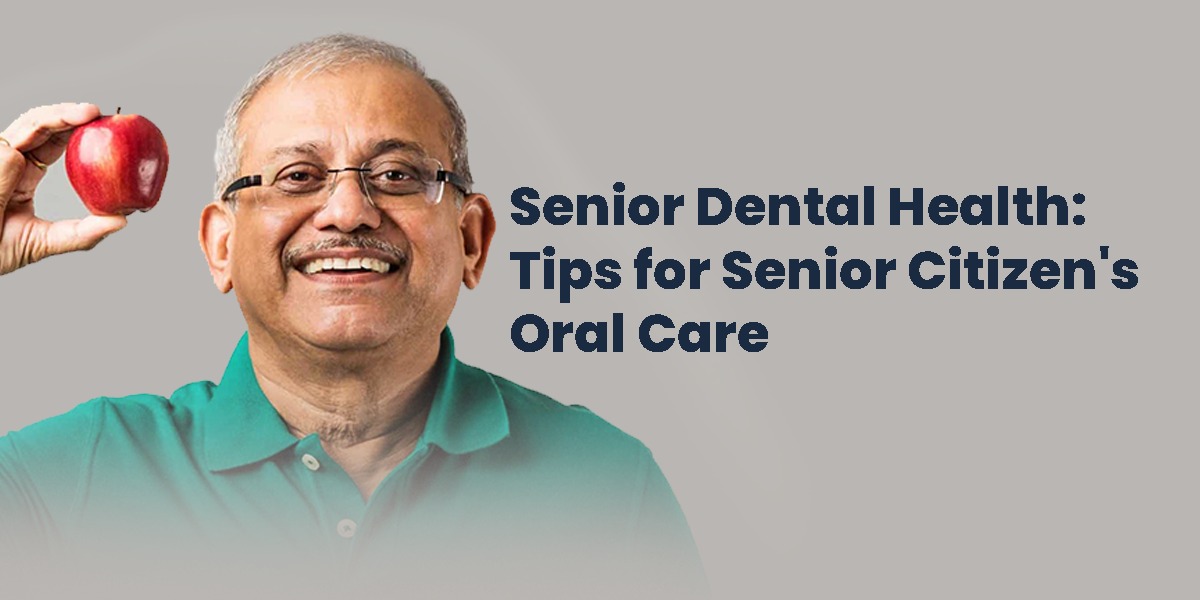
Seniors still need to practice good oral hygiene practices, just like toddlers do. Several problems regarding your teeth and gums may arise during your senior years. Senior dental health care providers, on the other hand, can help protect your oral health from the effects of aging. Even though dental hygiene can get worse with age, regular dental checkups make it easy for the dentist to find, fix, and even stop problems before they get worse. As a result, the importance of oral care in seniors should never be underestimated.
As we get older, our dental health can get more complicated, so it’s especially important for older people to take care of their teeth. Good oral hygiene not only helps keep your teeth and gums healthy, but it also has a big effect on your health and well-being as a whole.
Here are some tips for senior citizens to maintain optimal dental health:-
Conclusion:-
Seniors must take care of their oral health if they want to stay healthy and happy overall. By following these tips and visiting your dentist regularly, you can keep your teeth and gums healthy for years to come.
Also, read…
Our bodies change as we age, and our oral health is no exception. Maintaining good oral hygiene is critical for seniors to avoid a variety of oral health issues, such as gum disease, tooth decay, and oral cancer. Seniors, on the other hand, may face unique challenges such as dry mouth, decreased immune function, and an increased risk of chronic diseases that can affect their oral health. As a result, it is critical to adhere to a comprehensive oral hygiene routine that can aid in the prevention of these issues and the maintenance of good oral health.

In this blog, we will go over a senior oral hygiene guide, including brushing and flossing techniques, the use of mouthwash, the importance of drinking water, regular dental checkups, and smoking cessation.
In this section, we will go over a guide to maintaining good oral hygiene for seniors.
How to Choose the Right Oral Care ayurvedic Products for Seniors
When it comes to choosing the right oral care products for seniors, Ayurvedic products can offer a natural and holistic approach. Look for ayurvedic toothpaste that is free of harsh chemicals and contains natural ingredients like neem, clove, and ginger. These ingredients have antibacterial properties and can help fight tooth decay, gum disease, and bad breath. For seniors with sensitive teeth, ayurvedic toothpaste with aloe vera or chamomile can help soothe and protect the teeth and gums. Seniors can also improve their oral health with Ayurvedic mouthwashes and herbal treatments like clove oil and sesame oil. Before using any new oral care products, you should always talk to a dentist or other health professional.
Conclusion:-
Seniors must practice good oral hygiene in order to avoid oral health problems and maintain overall health. Brushing and flossing your teeth on a daily basis, using mouthwash, drinking plenty of water, visiting your dentist on a regular basis, and quitting smoking are all important steps in maintaining good oral hygiene. Seniors can enjoy healthy teeth and gums for many years by following these steps.
As we get older, taking care of our teeth becomes more important to our overall health and quality of life. While regular dental check-ups and proper oral hygiene are important for keeping our teeth and gums healthy, a healthy diet can also play an important role in dental health.
As we grow older, our bodies require more specific nutrients, like calcium and vitamin D, to preserve strong bones and teeth. Furthermore, certain foods can promote tooth and gum health by decreasing inflammation, neutralizing acids, and boosting saliva production.
Click to know about ‘Senior dental health: tips for senior citizen’s oral care‘.
This blog will go over some of the best foods for senior dental health and how they can promote healthy teeth and gums for a happy, healthy smile.
Here are some foods that are good for seniors’ teeth:-
The significance of dental health for seniors is as follows:-
Maintaining good dental health is essential for everyone, but it is especially important for seniors. Our bodies change as we age, and so does our dental health. Older adults are more vulnerable to a variety of oral health problems, such as tooth decay, gum disease, and tooth loss.
Other health issues, such as heart disease, diabetes, and respiratory infections, can be exacerbated by poor dental health. As a result, taking care of our teeth and gums becomes even more important as we age. Regular dental check-ups, good oral hygiene, and a nutritious diet are all essential for maintaining strong teeth and gums and promoting overall health and well-being.
This article is powered by Vithoba Ayurvedic Dant Manjan.
Conclusion:-
Maintaining good dental health as we age is important, and a healthy diet is an important part of that. By incorporating these foods into your diet, you can help maintain the health and strength of your teeth and gums, promoting overall health and well-being.
Also, read…
The modern resurgence of interest in natural, Ayurvedic oral care is a trend that has gained momentum in recent years. People are becoming more conscious of the chemicals and toxins present in traditional oral care products and are looking for alternatives that are more natural and gentle on the body. Ayurveda is an old Indian medical system that is based on the ideas of balance and harmony. It has a whole-person approach to oral care.
Ayurveda is a holistic approach to health that focuses on maintaining balance and harmony in the body. Ayurveda puts a lot of emphasis on using natural ingredients like neem, clove, turmeric, and fennel to clean teeth and gums, freshen your breath, and improve overall oral health. Ayurvedic oral care also involves “oil pulling,” a practice where a person swishes oil in the mouth for several minutes to remove toxins and bacteria.
The use of natural and Ayurvedic oral care products can help reduce exposure to harsh chemicals and toxins that are commonly found in traditional oral care products. These chemicals can be harmful to the body and may contribute to a variety of health problems. Ayurvedic oral care, on the other hand, is gentle and non-toxic, making it a safer option for both adults and children.
Here are some key points to consider when discussing the modern resurgence of interest in natural, Ayurvedic oral care:-
People today are more interested in natural and Ayurvedic oral care because they are becoming more aware of the health risks that could come from using traditional oral care products. These products often contain harsh chemicals and toxins that can be harmful to the body. On the other hand, Ayurveda offers a holistic approach to oral care that is based on natural ingredients and traditional practices. By using Ayurvedic oral care products and incorporating Ayurvedic techniques into our daily lives, we can improve our oral health and support our overall health.
Conclusion:-
Ayurvedic oral care is a holistic way to care for your teeth and gums. It is becoming more popular among people who want natural and gentle alternatives to traditional oral care products. Ayurvedic oral care products are made with natural ingredients and traditional practices that promote balance and harmony in the body. By adding Ayurvedic ways to care for our teeth and gums to our daily routines, we can improve our oral health and help our overall health.
Also, read…
Who doesn’t enjoy drinks? We all enjoy sipping on that refreshing Cola as we return from work on a summer evening or enjoy ourselves at a party! Soda or cola is considered a safe beverage for adults, teenagers, and even kids. But did you know that drinks are one of the major causes of dental problems like decay and cavities?
What are the effects of cold drinks on your teeth?
A 350 mL can of your favorite cold drink contains nearly 40 grams of sugar or nearly 10 teaspoons! Sugar is not only bad for your waistline, but it is also bad for your smile. This is because the sugar in these beverages interacts with the bacteria already present in your mouth. Lactic acid is produced inside your mouth as a byproduct of this interaction. This acid starts to erode your teeth. Cold drinks contain phosphoric and nitric acid, both of which are harmful to your teeth. When phosphoric acid and lactic acid combine, the pH balance in your mouth is impacted. This causes tooth demineralization. In simple terms, demineralization is the damage that happens to your enamel. Normally, after consuming a significant amount of sugar, saliva in your mouth restores the pH balance. It also helps to remineralize your teeth. However, drinking cold drinks on a regular basis disrupts this process, causing severe dental damage. Every sip of soda begins a harmful reaction that can last up to 20 minutes.
Cold drinks are bad for your teeth.
The two most common dental problems caused by cold drink consumption are:
Protect your teeth from damage.
If you enjoy cold drinks, there are some things you can do to keep your teeth from getting hurt:-
Conclusion:-
Aside from the points mentioned above, the best way to avoid the harmful effects of cold drinks on teeth is to schedule regular dental checkups. This will ensure that your teeth are in good condition and will detect problems early on before they worsen.
Also, read…

 Vithoba Oral Guide