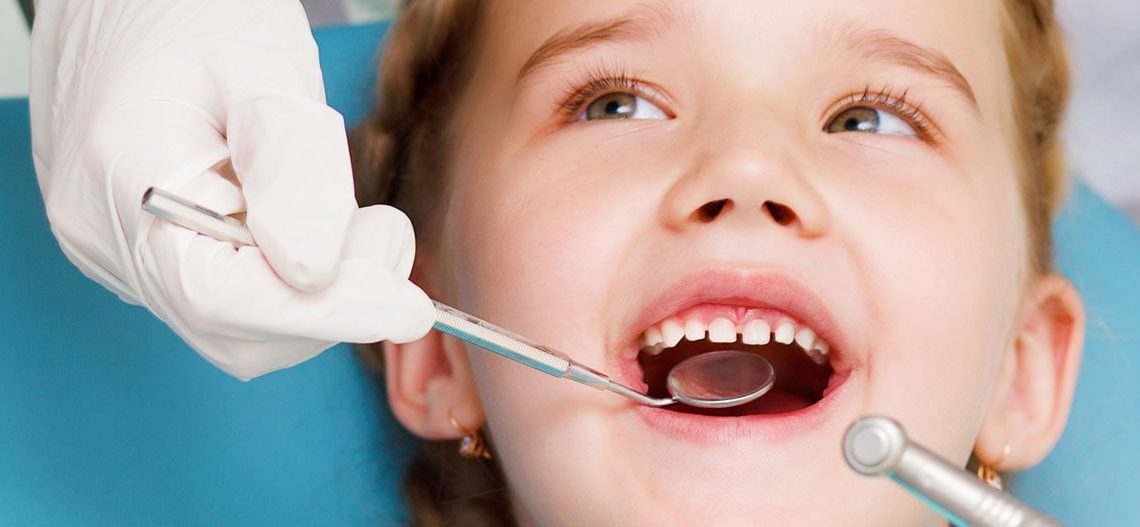
The relation between oral health and mental illness

Stress and poor mental health can make it more difficult for you to maintain good oral health, which can result in a number of dental problems.

People who suffer from multiple mental health disorders are less likely to seek proper dental care or maintain good oral hygiene, which can lead to poor dental health. Fear of visiting the dentist can worsen both oral and mental health problems. Poor oral health can harm your self-esteem and have a negative impact on your mental health. Smiling can make you feel better because it releases chemicals in your brain that improve your mood.

Mental health and oral health are complicatedly linked. Both help each other.

How dental health and mental health are linked

Many people are afraid of going to the dentist. Approximately half of all dental patients express anxiety about their visits, which can develop into a phobia. Stress, anxiety, and depression can all be exacerbated by poor dental health. This can make you even less willing to visit the dentist.

Isolation can be caused by mood disorders. They can make it difficult to find the motivation to continue practicing healthy self-care, which includes regular dental tests. People suffering from mental illness, particularly those suffering from mental disorders, are more likely to have poor oral health for the following reasons:-

  • Neglect and lack of care for oral hygiene
  • Poor nutrition and diet contribute to an increased risk of tooth decay and gingivitis.
  • Alcohol, tobacco, and drug use are more likely.
  • Overbrushing due to compulsion, causing tooth enamel harm
  • Medications used to treat mental illness that causes dry mouth, which can lead to a variety of dental issues
  • Eating disorders, which cause nutritional deficiencies that affect the teeth, as well as purging behaviors, can weaken tooth enamel.
  • Teeth grinding as a result of anxiety or high stress can cause your teeth to wear down, crack, or break.

There is also a biological link between poor oral health and mental illnesses. When you are depressed or anxious, your body produces more cortisol, a stress hormone. Cortisol levels that are too high weaken the immune system, increasing your risk of gum disease, mouth sores, and infections.

People suffering from mental illnesses frequently complain of cryonic pain with no discernible physical problem. This can occur as burning mouth syndrome or atypical facial pain, both of which are more common in people who are depressed.

Prevention:-

Maintaining your oral health can improve your mental health, and vice versa. Keep stress to a minimum while continuing to maintain important self-care habits, such as daily teeth brushing and flossing and seeing medical and dental health providers on a regular basis, to avoid common oral health issues associated with poor mental health, such as dental caries, gum disease, and dental erosion.

A variety of factors, including biological, genetic, social, environmental, and behavioral factors, contribute to mental illnesses. High levels of stress are risk factors for mental illness. Stress reduction can aid in the prevention of both mental health and dental issues. Good nutrition, regular physical activity, and good oral hygiene habits can all help to prevent dental and mental health issues. Discuss any changes in your physical or mental state with your medical, mental health, and dental practitioners. To avoid serious health problems, address any potential concerns as soon as they arise.

Conclusion:-

Regular dental tests and a good oral care routine are essential for overall well-being and mental health. Early intervention to keep a bright, clean smile can boost confidence and social interactions. Furthermore, a healthy, pain-free mouth leads to a better mental state as well as a lower risk of other diseases.

Also, read…
  1. What is the effect of water on teeth? How does water quality affect teeth?
  2. How to choose the best soap according to your skin type?
  3. Risk of childhood oral cancer – causes and symptoms

Risk of childhood oral cancer – causes and symptoms

Anything that raises a person’s chances of contracting a disease like cancer is considered a risk factor. Risk factors for different cancers differ. Smoking is one risk factor that can be changed. Others, such as a person’s age or family history, are unchangeable.

But risk factors don’t tell us everything we need to know. Even having a lot of risk factors is not a guarantee that one will get the disease. And many people who get this disease have few or no known risk factors.

Cells in oral cancer grow out of control and cause tissue damage, which is a serious condition. Any part of the oral cavity, including the lips, cheeks, gums, palate, and throat, may be affected. According to the study, 41,000 children are affected by oral cancer. It is crucial to be aware of the signs and risk factors in childhood because it can be fatal if untreated.

Can Children Develop Oral Cancer?

While oral cancer can affect anyone, it is incredibly uncommon in children. Children normally are not affected by the main risk factors for oral cancer, such as using tobacco or alcohol excessively or possessing the human papillomavirus (HPV). Parents should be aware of the symptoms because it is possible for children to develop oral cancer, especially if other medical conditions are present or there is a genetic predisposition.

Here are some of the most common oral cancer symptoms:-

  • Sores or lesions that haven’t healed after 10 days
  • Any soft tissue that is hard, crusty, or thickening in your child’s mouth
  • Changes in your child’s voice
  • Flat tissue patches with a silky texture (they may be red, white, or speckled)
  • Your kid says that part of their mouth feels numb.
  • Lip or mouth ulcers that do not heal
  • Persistent ear pain
  • Having trouble swallowing, chewing, or moving the tongue
  • Swelling, thickening, or lumps in the neck, jaw, or mouth

Of course, it’s crucial to keep in mind that these symptoms may also signal a variety of other oral health issues besides mouth cancer. However, it is advisable to take your child to the dentist if any of these symptoms are present. Additionally, benign (non-cancerous) tumors may form in patients and necessitate surgical removal. In any case, a dentist should keep an eye on your child’s dental health to catch any conditions early and treat them.

Anything that raises a child’s chances of getting cancer is a risk factor. Although risk factors frequently affect how cancer develops, the majority do not really cause cancer. While some patients who have a number of risk factors never get cancer, others who have no known risk factors do. Knowing your own oral cancer risk factors and discussing them with your doctor may help you make better decisions regarding your child’s medical treatment.

The following are risk factors or possible causes of oral cancer in children:-

  • Poor oral health:- Oral cavity cancer risk may increase if routine oral hygiene procedures are not followed and dental care is not given. Particularly in children who consume unhealthy products, poor dental health or chronic irritability from ill-fitting dentures may raise the risk of oral and cancer. Regular checkups with a dentist or dental hygienist can aid in the early detection of some oropharyngeal tumors and oral cavity cancer.
  • Poor nutrition and diet:- Oral cancer risk may be increased by eating a diet lacking in fruits and vegetables as well as getting insufficient amounts of vitamin A.
  • Weakened immune system:- Oral cancer is more likely to occur in children who are less healthy overall, particularly those with a weakened immune system.

Conclusion:-

Children should visit the dentist frequently for a variety of reasons, including early detection of oral cancer. Set up routine dentist checkups as a top priority to give your child the finest oral health possible.

  1. Mouth cancer symptom and causes – latest 2022
  2. Mouth cancer prevention and treatment – latest 2022
  3. Everything about professional teeth whitening.

How to choose the best soap according to your skin type?

Every day, harmful environmental irritants like dirt, pollution, changes in temperature, etc. are in contact with our skin, disrupting the pH balance. Superior skincare products, such as soaps, can support maintaining the skin’s ideal pH balance and restoring its natural protection. Many of us frequently ignore the type of soap that daily touches our skin and base our assessment of skin health on pH levels and chemical compositions. To keep the skin clear, smooth, and glowing, it is important to choose the proper kind of soap according to your requirements. Everyone has a different skin type and dermal problems.

Choosing the right soap can provide you with a variety of advantages, from making the skin clean, smooth, and glowing to preventing dermatological issues. But which type of soap is best for the skin? Depending on their chemical composition and effects on the skin, soaps might differ. As a result, you should be aware of your skin type and search for the best option.

Here is a guide for choosing the best soap according to your skin type:-

  • Normal Skin:- Skin that is considered normal is neither excessively oily nor excessively dry. As a result, your soap must be as unbiased as your skin. Avoid soaps formulated for either dry skin or oily skin. The improper soap might cause your skin to become very dry or clog your pores. It is recommended to look for a soap that is mild and keeps the pH balance of your skin. Consider using herbal soaps.
  • Oily Skin:- People with oily skin produce too much sebum. Acne breakouts are more likely to occur on the skin like this. Make sure to frequently cleanse your face and stay away from harsh soaps. Take note of ingredients like oatmeal, sea salt, tea tree oil, benzoyl peroxide, salicylic acid, and benzoyl peroxide. This aid to remove extra oil from your skin while being kind to your skin. Check that your soap is non-comedogenic as well.
  • Dry Skin:- Dry skin comes from reduced sebum production. Dry skin sufferers frequently experience itching, flaking skin, dry patches, etc. For this reason, the best ingredients to search for in your soap are saffron, glycerin, cocoa butter, coconut oil, shea butter, olive oil, jojoba oil, and aloe vera. Moisturizing qualities have been added to these substances.
  • Sensitive Skin:- Skin irritation and allergy responses are more likely to happen in those with sensitive skin. You should therefore pick calming and moderate formulas. Artificial perfumes, alcohol, and sulfates have no place in soap. Choose a soap that is made with natural components and won’t hurt your skin.
  • Combination Skin:- Dry and oily skin types are considered combination skin types. Avoid using soaps designed specifically for oily or dry skin if you have this type of skin. For people with combination skin, glycerin soaps can be a decent option. Vithoba Vaijayanthi handcrafted saffron soap bar is the best soap for combination skin in India.

Conclusion:-

Every type of soap on the market today claims that it will promote good skin. However, not all soaps are suitable for your skin type. The only factors affecting your soap selection are your skin type and the state of your skin. Choose a soap that not only cleans but also leaves you with healthy, radiant skin by first analyzing your skin to decide what it needs. Choose soaps with natural ingredients over synthetic ones because they are kinder to your skin. Before using soap, check with your doctor if you have any skin allergies or infections.

Also, read…

  1. Worried that yellow teeth will ruin the selfie? best whitening toothpaste.
  2. Can natural soap go bad? Side effects of expired natural soap.

Everything about professional teeth whitening.

A brighter smile can be achieved quickly with professional teeth whitening at the dentist’s clinic, but is this the best whitening option for you? While some people value the safety advantages of having a professional teeth whitening procedure done, others find the cost to be unreasonably high.

Regular brushing and flossing are two simple strategies to maintain healthy, white, and bright teeth. However, you are not alone if you feel that your smile has lost some of its sparkles or has turned more yellow. Whiter teeth were the most frequently mentioned answer when asked people what they’d like to change about their smile. Nearly 90% of people desired tooth whitening.

Are you considering teeth whitening? First, get the facts. The following are some frequently asked questions about the procedure:-

  • How Does Teeth Whitening Work?

The process for whitening teeth is simple. One of two teeth bleaches is present in whitening products (hydrogen peroxide or carbamide peroxide). These bleaches remove stains, making them less concentrated and enhancing the shine of your teeth.

  • Does Whitening Work on All Teeth?

No, which is why it’s important to consult your dentist before deciding to whiten your teeth. Whiteners might not be able to treat every kind of discoloration. As an example, brown teeth might not respond as well to bleaching as yellow teeth, and teeth with gray undertones might not respond at all. Fillings, crowns, veneers, and caps cannot be whitened. Additionally, it won’t work if your tooth discoloration is brought on by drugs or a dental injury.

  • How much does it cost to whiten teeth?

For full teeth whitening treatment, professional teeth whitening costs can range from Rs 7,000 to Rs 20,000 (prices vary between doctors and cities). Many people choose professional teeth whitening over at-home kits even though it is more expensive because they believe the results are better.

  • How long does teeth whitening last?

Teeth whitening typically lasts anywhere from six months to two decades. It is easier to keep the effects of red wine, smoking, and coffee avoided because they may cause stains.

  • Are There Any Side Effects from Teeth Whitening?

Tooth sensitivity is a possibility for some persons who use teeth whitening solutions. This happens when the peroxide in the cleaning solution breaks the enamel to the fragile layer of dentin and irritates the tooth’s nerve. The sensitivity is typically temporary. Delaying therapy allows you to retry. Follow the instructions and consult your dentist before using tooth whitening products excessively since this can harm the gums or tooth enamel.

Conclusion:-

The majority of individuals want whiter teeth, and having them professionally whitened has several cosmetic benefits. Every patient should speak with a dentist about their particular advantages and any potential negatives because there are drawbacks as well.

Also, read…

  1. Know the relationship between oral health and systemic disease.
  2. Worried that yellow teeth will ruin the selfie? best whitening toothpaste.

Can natural soap go bad? Side effects of expired natural soap

Most people don’t think about the expiration date on their natural soap bar until they discover an old bar in the back of their bathroom cabinet. Does natural soap expire? Is it safe to use after its expiry date? Natural Soap does expire. It is, however, usually safe to use after the expiry date. It may not be as effective or lather as much as it normally would.

Most soap has a two to three-year shelf life. If the soap is made from natural additives, it will likely expire much sooner, within a year, and show signs of spoilage such as a change in fragrance, color, or texture.

Natural soap can be used several months after its expiration date. However, do not use natural soap after it has passed its expiration date. You would also avoid using soap that contains expired natural ingredients because you are more likely to get skin rashes or irritation.

What happens when you use expired soap?

You will notice different things based on how long the soap has been outdated and if it is natural or not. If you use a bar of soap a few months after it’s expiration date, you’re unlikely to notice anything out of the usual. It may not smell as fragrant or lather as well. Using an expired bar of soap can cause skin irritation. Changes in state, such as color or texture change, as well as signs of rot, are serious indicators that you should not be using expired soap.

How do you know if soap has expired?

The expiry date will usually tell you if your soap is expired. If you don’t know the expiry date of the soap,

there are a few warning signs to look for:-

  • Loss of scent:- Expired soap may not smell as fresh, indicating that it has gone bad. This does not necessarily imply that the product is unsafe to use, but you may want to dispose of your soap.
  • Change of state:- The most obvious sign that soap has expired is when its texture or color has changed. If this occurs, it is best to discontinue use of the soap. This does not necessarily indicate that the product is unsafe (particularly if it smells and looks terrible), but it is common for one of its ingredients to be depleted or rendered useless by this point.

(Checkout Vaijayanthi natural saffron soap)

  • Lack of lather:- Checking to see if your soap still lathers well is a good way to tell if it has expired. If the soap doesn’t foam up well, it’s probably expired, and you shouldn’t use it because it’s probably lost some of its anti-dirt and anti-sweat effectiveness.
  • Signs of rot:- If there are signs of mold on the soap, it has most likely expired. Natural soaps containing essential oils often rot faster than store-bought soaps. Examine corners and edges where moisture can collect to see if they are sticky or greenish (which indicates rot). Look for orange spots as well, which indicate that the oils in the soap have gone rotten. You may also realize an unpleasant odor arising from these spots.

Conclusion:-

Some factors affect how quickly soap expires. Keeping soap in the fridge or freezer and taking care of the package might extend its life. Soap may last for a long time if stored carefully. Packaging, color, and consistency are excellent markers of usefulness. If you think your soap might be going bad or has passed its expiration date, it’s best to just buy new soap.

Also, read…

  1. Best natural soap for pimples and dark spots in India.
  2. Difference between handmade soap and commercial soap. – Handmade Soap vs Store Bought Soap.

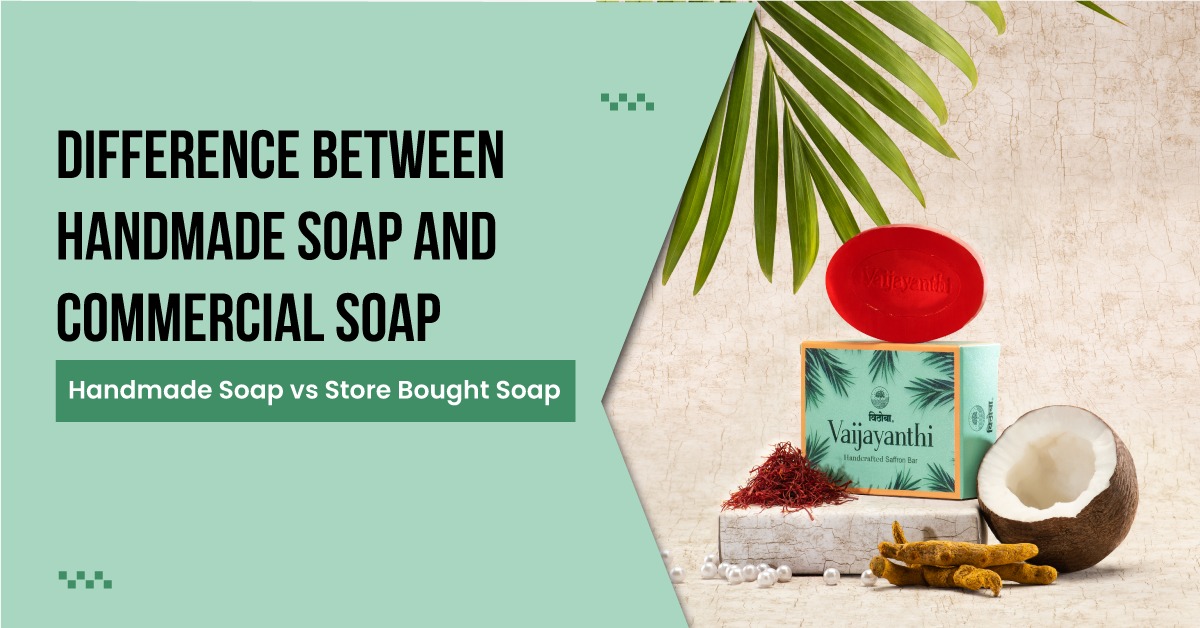
Difference between handmade soap and commercial soap. – Handmade Soap vs Store Bought Soap

Everyone wants to be appealing and portray oneself in the best light. Women typically utilize various cosmetics and makeup items to achieve this. Men and women both use soap as a basic commodity to maintain their appearance and skin.

We use soap on our skin every day while taking a bath, and the type of soap you use can often affect how healthy your skin is. So, the soap you choose has a real effect on your skin. But isn’t our decision to buy soap greatly influenced? We often rely on product packaging, manufacturer claims, or attractive marketing. Therefore, it is important that we become conscious of the substances we expose our skin too.

When compared to commercial soaps, the ingredients in handmade soaps are more likely to be natural, which makes them better for your skin. These soaps contain components that are derived from natural sources.

Here are some differences between handmade and commercial soaps and reasons to switch to handmade soaps:-

  • Ingredients:- The key reason for using handmade soap is the ingredient. The common ingredients combined in your handmade soap give your daily skincare routine a healing touch. The ingredients in handmade soap come from the earth and are full of skin-friendly antioxidants, nutrients, and vitamins. These commercial soaps often contain substances that contribute to the development of cancer. Moreover, the fragrance-enhancing chemicals in many commercial soaps have a tendency to irritate your skin.
  • Delicate on skin:- Commercial soap dries up your skin and, when used frequently, especially for kids, can completely harm you. These soap’s chemicals irritate and dry up your skin. These soaps also cause your skin to react negatively and sensitively. However, handmade soaps will typically be much kinder to the skin. It is perfect for kids as well as those with sensitive skin. Handmade soaps typically moisturize the skin to keep it soft.
  • Eco-friendly:- Handmade soaps don’t contain synthetic ingredients and are indisputable friendlier than their chemical counterparts. Since they are not made with pesticides or other synthetic materials, they are also thought to be eco-friendly. You have a wide range of special compounds to review that have a negative impact on the climate. All commercial cleansers are made of synthetic materials with long chemical chains that prevent them from degrading.
  • Safe with minimum to no side effects:- The most amazing aspect of handcrafted soaps is how gently they affect your skin. Your skin’s health is further improved by the handmade soap. It soothes your itchiness, dryness, and skin issues like dermatitis and pimples. Regular skin oil protects and lubricates the skin; regular skin oil is eliminated by synthetic soaps. These soaps may also cause dry skin or breakouts. Synthetically infused soaps mirror the slow-acting toxins we apply to our skin. These kinds of soaps won’t have an immediate effect on you but will have an impact over time.
  • Glycerine Content:-A useful humectant, glycerine draws moisture to your skin to release and maintain water balance. Glycerine is a fundamental component of handmade soap. All of the essential oils in the soaps are based on glycerine since it attracts moisture and absorbs it deeply into your skin to keep it nourished. Since glycerine has a low pH, your skin will always seem fresh. However, glycerine is typically removed from commercial soaps and added to various products like moisturizers and gels. Throughout the process of things working out, this causes your skin to become dry and flaky. In this way, the customers are forced to buy cleansing soaps and other saturating products.

Conclusion

Now that you know how handmade soap is different from store-bought soap and all the great things it can do for you, what are you waiting for? Switch to handmade soap right away! You’ll be praised by your skin for it.

Also, read…

  1. Best natural soap for pimples and dark spots in India.
  2. Ayurvedic herbs and their dental benefits

Know the relationship between oral health and systemic disease.

Over the past few decades, there has been significant proof of the relationship between oral and systemic disease. A variety of systemic diseases, including those of the heart, nervous system, and lungs, can affect the onset and progression of oral diseases. Likewise, systemic diseases can make individuals more likely to develop oral illnesses. The incidence of oral and systemic diseases is influenced by a number of similar risk factors, such as aging, smoking, alcohol abuse, gender, educational attainment, socioeconomic level, and genetic predisposition. Numerous prior scientific studies have found common genetic risk factors for oral and systemic disease that may predispose some people to develop both diseases.

The linked mechanisms between dental and systemic disorders involve many different types of gene families, such as immunosuppressive genes, autoimmune genes, inflammatory mediator genes, programmed cell death-related genes, or neuropeptide genes. The increased risk of gum disease, oral mucosal disease, especially oral hairy leukoplakia, and oral squamous cell carcinoma among organ transplant patients who have a long history of using anti-inflammatory medications is reflective of the immunosuppression genes’ involvement in the onset of oral disease. Also, due to the participation of an unbalanced inflammatory immune response in both disorders, inflammatory mediator genes like cytokines and chemokines have been clearly proven to be the link between oral health and systemic disease. In particular, inflammatory mediators may encourage the development of the tumor microenvironment and cause the start and development of dangerous illnesses. The genetic processes connecting oral disease and systemic disease remain to call for more and deeper study, despite some prior data suggesting a genetic relationship between oral health and systemic disease.

Researchers have long known that the mouth and the rest of the body are linked according to studies. Problems with your oral health can result in more than simply pain and suffering. They may make it difficult for you to speak, chew, or swallow, which makes it harder for you to get the nutrition your body needs to stay healthy, engage in daily activities, and communicate with others. Additionally, overweight and dental decay is caused by poor nutrition. Therefore, maintaining good oral health is essential for avoiding systemic diseases.

The following

Here are some tips to maintain good oral health:-  

  • Give your dentist a thorough medical history, mentioning any illnesses and drug usage.
  • Use Ayurvedic toothpaste to brush your teeth twice every day. In order to maintain good oral health, you can also use Vithoba Ayurvedic Dant Manjan.
  • To help remove plaque, the sticky bacteria layer that forms between your teeth and under your gums, floss every day.
  • For a checkup and thorough cleaning at your dentist on a regular basis, you can help prevent issues and detect any problems early on. A number of diseases are frequently diagnosed in the mouth.
  • Maintain a healthy immune system, avoid heart disease, and reduce the progression of diabetes by eating a well-balanced diet.

Conclusion:-

If you smoke, discuss your options for quitting with your dentist.

The relationship between your oral health and overall health is clear. You can make significant progress toward enhancing your general health by giving your oral health a top priority. Start the recommended routine of home care today, and schedule an appointment with your dentist if you have not seen one in more than 6 months. Your likelihood of experiencing negative health effects is reduced by identifying issues as soon as possible!

Also, read…

  1. Ayurvedic herbs and their dental benefits
  2. Quick and best oral care routine for your busy lifestyle

Quick and best oral care routine for your busy lifestyle.

In order to maintain a healthy smile, people follow their best oral care routine and still spent over Rs 20 thousand yearly on dental hygiene products including toothpaste, mouthwash, and floss, according to a national survey. With more individuals visiting the dentist on a regular basis and aesthetic procedures, such as teeth whitening becoming more popular, the concern for good oral health increases.

However, a survey conducted in support of Professionals revealed that only 69 % of individuals brush their teeth twice daily, and 2 % admit that they never brush them at all. This is despite increasing costs and an increase in dental appointments.

Worried about the number of people who neglect to brush their teeth, one explanation put forward was that people are skipping steps in their hygiene routines and delaying dentist appointments because they are unable to find the time in their busy lifestyles.

However, failing to follow a decent dental hygiene routine, which only takes a few minutes to complete every morning and evening, can have negative impacts on your teeth and gums.

As a result, we’ve compiled a list of strategies for organizing your hectic working lives around the best oral care routine.

Here’s a quick and easy oral care routine for your busy lifestyle:-

  • Organize Your Mornings:-You should make time to brush your teeth if you can’t fit them into your morning and evening routines. To save time in the morning, prepare your meals and lay out your wardrobe the night before, as well as other time-consuming duties. After that, utilize your newfound free time to complete a full dental hygiene routine.
  • Find Healthy Alternatives:- Hard-shelled or sugar-filled snacks might be harmful to your dental health because they promote dental caries. Find alternatives that are kinder to your teeth and gums, such as calcium-, phosphorus-, vitamin D-, and vitamin C-rich foods. Cheeses and other dairy products, nuts, uncooked veggies, and sugar-free gum may all fall under this category.
  • Make use of ayurvedic toothpaste:- Nowadays, other types of toothpaste are available on the market that claims to provide the same benefits as twigs. You can use ayurvedic toothpaste because it is chemical-free and made with ayurvedic ingredients. They are much better than the pricey toothpaste loaded with chemicals. For your dental hygiene routine, you can also use the Vithoba oral care range. Vithoba oral care products are best for dental health.
  • Drink Plenty of Water:- It can be highly advantageous for your oral health to drink plenty of water throughout the day because it is non-acidic, sugar-free, and calorie-free. Have a filled water bottle on your desk as a tool to encourage yourself to drink more. This requires little effort and works as a constant reminder. You should always carry a bottle of water with you because they are easy to grab and go. Aside from preventing morning breath, keeping hydrated throughout the day, and lowering your risk of tooth decay, gum disease, and enamel erosion, drinking water will keep you feeling fresh and energetic all day.
  • Cut Down on Bad Habits:- Smoking is a harmful habit that has negative effects on your lips as well as the rest of your body. Smoking can cause dental stains and increase your risk of developing oral cancer and gum disease. Moreover, taking fewer smoking breaks allows you to spend more time working productively.
  • Visit Your Dentist:- Making time to visit the dentist for a regular check-up is always important, no matter how busy your calendar may be. Rather than waiting until a problem increases and having to deal with severe effects and more time on your schedule, this can discover any possible dental issues and treat them right away.

Conclusion:-

We understand how it feels to be pressed for time due to a busy lifestyle, but your oral health doesn’t have to suffer as a result. Maintaining your oral health is an investment that will ultimately keep you healthier and save your time. Luckily, there are several best oral care routines and methods you may follow to maintain the health of your teeth and gums without interfering with your busy lifestyle.

Also, read…

  1. Get quick shining teeth with the best oral care products kit.
  2. Is dark chocolate really good for your teeth?

Best natural soap for pimples and dark spots in India.

Skincare is important because it not only affects how we look physically, but also because the condition of this organ has an impact on our overall health. Although the market’s abundance of commercially available skin care products, the majority of them contain artificial and processed components that may have unfavorable effects. If you want to be safe and still take care of your skin, go with a natural remedy. In recent years, there has been an increase in interest in using saffron soap for skin health.

Vithoba Vaijayanthi Handcrafted saffron soap is known to be the best soap for pimples and dark spots in India. Saffron and essential oil in its formulation efficiently clean and protect the skin. Vaijayanthi is the best soap to use to get rid of pimples and dark spots if your skin is prone to inflammation, sores, and regular breakouts.

It is excellent for preserving the general cleanliness and health of the skin. This soap is trusted by users, dermatologists, and several skin professionals owing to its effective action on pimples and dark spots. Vithoba Vaijayanthi handcrafted saffron bar is the best soap to remove dark spots on the face.

Here are some of the benefits of Vithoba Vaijayanthi Handcrafted Bar:-

  • Tones up and maintains the moisture of skin:-The Vithoba Vaijayanthi Handcrafted Saffron Bar helps keep your skin hydrated. Saffron absorbs moisture and helps in the recovery of dry, chapped skin.
  • Retains natural glow:- According to studies, saffron is a spice that is rich in nutrients. B vitamins, as well as vitamins A and C, are necessary for the skin whitening and glowing process. You can get the desired outcome by using this Handcrafted Saffron Bar.
  • Effectively reduces hyperpigmentation:- Many different things can contribute to skin pigmentation. It includes aging, excessive sun exposure, a bad diet, and hormone imbalance. You will be able to solve the issue. This spice, as previously said, has powerful exfoliating qualities. It removes the dead cell layers that cause pigmentation.
  • Softens the skin and stops premature skin ageing:- In the summer, especially, cracked heels can significantly detract from your physical look. Use Vithoba Vaijayanthi Handcrafted Saffron Bar frequently to relax your skin. No matter where on your body the soap is used, it will undoubtedly soften your skin. Your skin becomes tighter, which reduces wrinkles and makes you look younger for longer.
  • Heals Wounds and blocks the UV effect:- Because of the ingredients used in this saffron soap, it is advantageous for healing wounds and fading dark spots. However, Vaijayanthi Handcrafted Bar blocks damaging UV rays with a protective barrier and revitalizes your skin. Harmful UV radiation kills skin cells and tissues, rendering them lifeless. 

Conclusion

Make nature a part of your daily existence.  Your day will be fantastic if you take a bath with saffron soap. Overall, this saffron bar is a wonderful soap that has many uses. However, if you want a good result, you must use it on a regular basis. You can also buy Vithoba Vaijayanthi Handcrafted Saffron Bar on Vithoba stores online also. As the name suggests, saffron bar soap is a saffron-based soap. Due to the many people’s great experiences with saffron, it has grown more and more popular recently. This soap will satisfy all of your skin care needs and add a touch of nature.

Also, Read…

  1. 5 Most Incredible Benefits of Using Natural Soaps!
  2. Ayurvedic herbs and their dental benefits.

Is dark chocolate really good for your teeth?

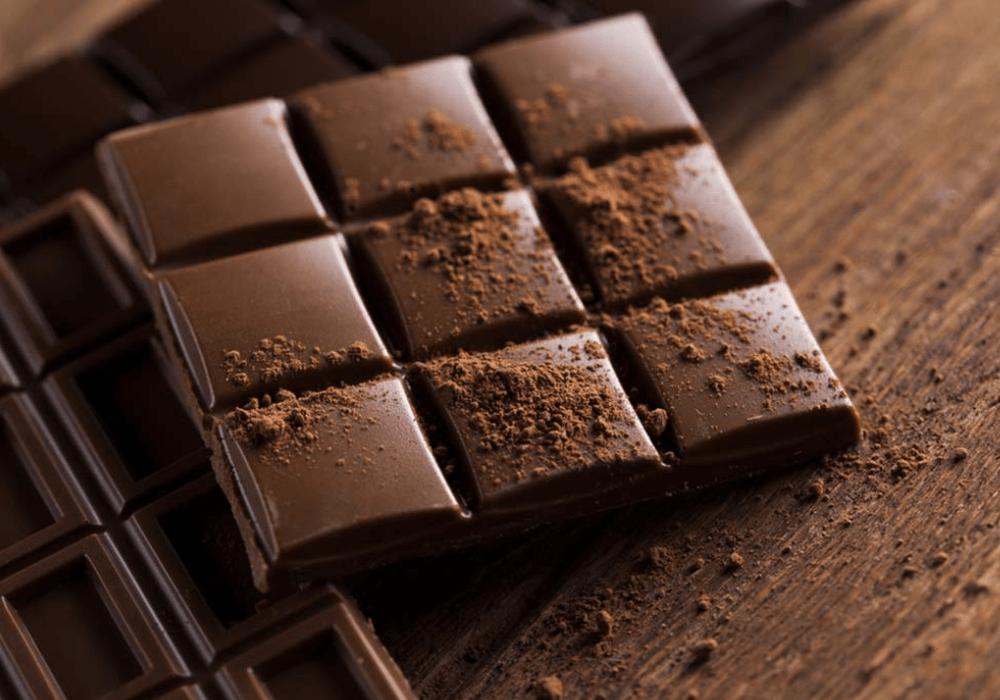
Dark chocolate may be the finest choice when you want to “treat yourself.” There has been much discussion about “Is dark chocolate really good for your teeth?”. While it is true that sugar does not mix well with maintaining teeth healthy, dark chocolate can really be a cavity fighter.

Studies have revealed that, when it comes to indulging your sweet craving, the ingredients in dark chocolate can actually be good for your oral health, but milk chocolate has a mix of sugar and milk that can lead to dental caries. In the long run, milk chocolate, which is sweetened with more sugar and milk, is far worse for your oral health than dark chocolate, which is 70% cocoa.

So how, exactly, is dark chocolate good for your teeth? Oral streptococci, a bacteria in your mouth, creates acid that erodes the enamel on your teeth. By functioning as a kind of antibacterial component, the antioxidants in dark chocolate stop the bacteria from transforming into harmful acids. Additionally, the cocoa butter forms a protective coating over your teeth, preventing plaque from sticking to them.

Because it contains so many antioxidants (nearly four times as much as green tea), dark chocolate not only inhibits the formation of plaque but also helps to prevent periodontal disease, which is characterized by swelling of the gums. Eating dark chocolate on occasion is good for your heart health as well since the bacteria related to periodontal disease can enter the bloodstream and lead to heart disease and other cardiovascular issues.

Here are some benefits of dark chocolate for your oral health:-

  • Antioxidants:- It seems that there is a type of chocolate that can benefit your teeth. But there is one. Oral bacteria, a common bacterium in your mouth, generates acid that affects your tooth enamel. Antioxidants in dark chocolate prevent bacteria from transforming into tooth-damaging enzymes. These antioxidants combine to form a type of antibacterial compound. Furthermore, the cocoa butter in dark chocolate forms a protective covering around your teeth, making it more difficult for plaque to adhere to them.
  • Inflammation Reducers:- Dark chocolate has four times the antioxidant power of green tea. Along with antioxidant advantages, they also have anti-inflammatory properties that help to calm overly excited oral tissues that are common in gingivitis and periodontal disease.
  • Everything in Moderation:- Even with all of these benefits, dark chocolate is still not considered a healthy food. Fruits, vegetables, and whole grains provide essential nutrients that improve tooth health in ways that dark chocolate cannot. Even dark chocolate contains a lot of sugar and is high in calories. Dark chocolate, in moderation, can be a great end-of-the-day reward or pick-me-up. One ounce per day is the recommended daily amount.

Conclusion

Dark chocolate is undoubtedly the most delicious and nutritious item on the planet. Dark chocolate, like any other confection, must be eaten in moderation. One ounce per day is the recommended amount. If you’re looking for an ayurvedic oral care solution for your oral health, you can also get Vithoba ayurvedic dant manjan and toothpaste. It is entirely made of herbal ingredients and is extremely beneficial to your dental health. Vithoba oral care range is the best ayurvedic treatment for tooth cavities.

Also, read…

  1. Ayurvedic herbs and their dental benefits.
  2. Electric toothbrush vs normal toothbrush. Which one is better?
Design a site like this with WordPress.com
Get started