Time to Make Ayurveda Mainstream in modern-day India

A question always pops up in our minds on how ancient people used to survive the tough illness without the use of technology. This question may arise due to our sheer dependency on technology in the current era. Well, it’s high time to bring our indigenous science back into the lost world and explore its perks. 

Ayurveda is not simply a grandmotherly remedy like some people believe. It is the most primitive science of healing/treating any kind of illness with all the ingredients grabbed from nature. 

It is one of India’s oldest healthy living trends, with roots and practices dating back over 5,000 years. Ayurveda is based on two core values: first, that the mind and body are integrally linked, and second, that nothing has more ability to heal and change the body than the mind. 

It is a complex medical system proposed by great vaidyas of the time. Charaka, who lived around 300 BC, proposed this medical system, which has been explained and summarized by physicians who came after him. Another strategist, Sushruta, is known as the “Father of Plastic Surgery.” Vagbhata was a Buddhist doctor. These three doctors devised a complex medical framework that is nothing short of brilliant.

However, after years of obscurity in post-independence India, Ayurveda is now poised to fully and consciously engage in the healthcare system. Many patients from varied backgrounds who were considered incurable by Western medicine doctors have been successfully treated by Ayurvedic doctors. The old Hindu medicinal practice is now well-known throughout the world for its simple, low-cost, and incredibly efficient therapies. As an integrative and complete system of medicine and wellness, Ayurveda products has discovered thorough remedies for many situations such as Asthma Liver Cirrhosis, hair loss, and aging for which allopathic medicines have no remedies to date.

Let us have a look at why Ayurveda should be made the mainstream in the current world:-

  • Western treatments are primarily concerned with treating and curing symptoms rather than focusing on the entire balance of the body. For instance, a bacterial infection is treated with an antibacterial drug without focusing on the imbalance in our body. Instead of treating only one concern, an Ayurvedic doctor pays attention to the body as a whole and restores its physical, mental, and spiritual well-being.
  • The vast majority of ayurvedic medicines work on the mind and body as a nourishing tonic and most ayurvedic products also restore the physical illness. This also clears psychological, emotional, and mental disparities as well as providing physical nourishment. This is possible because all of the ingredients are naturally occurring and no chemicals are used in its manufacturing process.
  • The majority of drugs are overpriced. Treatments for average people are out of reach, and many modern hospital devices need regular administration, and patients are often compelled to use them frequently. However, by paying bills in an Ayurvedic facility, no one ever faced the breakdown of money. There will rarely be a situation in which ayurvedic doctors require people to visit them regularly, and the products used are entirely natural.
  • Several other ayurvedic therapies still are older but the efficacy of many ayurvedic plants is repeatedly shown by scientific research. Ayurvedic essentials such as Indian Gooseberry (Amla), Ashwagandha, Aloe vera, and Tinospora Cordifolia (Guduchi) have been studied, and the majority of the advantages mentioned in the Ayurvedic system of medicine have been validated. You can now even buy ayurvedic products online.
  • Ayurvedic medicines concentrate on boosting the ability and quality of the body’s immune system rather than merely causing them to respond to a pathogen.

Around 150 years ago, it was recognized that Ayurveda needed to be transformed.  Advancement was made but it is unlikely that it will be sufficient to maintain its development. There were many other hurdles, but none were more daunting than the one posed by the modern medical system’s supremacy. Recognizing these advantages, it is time for Ayurveda to take its deserving place alongside modern medicine as a mainstream medicinal system.

What Is Ayurvedic Oral Care And How Is It Applicable To The Modern Day?

Many of us neglect to get our teeth checked regularly, even though it is highly recommended. As a result, you can experience sudden toothaches, tooth decay, and oral care problems. 

Oral diseases are the fourth most costly diseases to treat in some countries, according to the WHO. If left untreated, these issues may harm one’s overall health. Chronic gum disease, for example, can make diabetes difficult to manage. Too many bacteria in the mouth can cause inflammation in the body.

However, by following a few Ayurvedic everyday activities, the negative consequences of bad Dental hygiene and wellbeing can be avoided. These procedures may be used to prevent and treat a variety of oral health problems. They also have far-reaching benefits, such as better digestion and a better sense of taste. 

Ayurveda explains some basic but effective practices and treatments for keeping teeth strong and safe. Brushing your teeth twice a day is important for good oral care. Ayurveda recommends brushing your teeth with a variety of herbs. For general usage, special tooth powder formulations are recommended. If you’re looking for ayurvedic oral care products, Vithoba has the best ayurvedic oral care products available. You can now even buy ayurvedic products online.

Here are several modern-day ayurvedic oral care tips:-

  • Take a neem twig and chew it:-Antimicrobial properties are found in neem. Its antibacterial agents are released when you chew it, and they combine with saliva. This destroys unhealthy microbes in the mouth and prevents bacteria from accumulating on the teeth. People used bitter plant twigs to brush their teeth in ancient times. These bitter twigs’ antimicrobial properties help to keep the mouth germ-free and stable. Bitter-tasting herbs tend to eliminate toxins from the mouth while also combating bad breath. The twigs of the Neem, Mango and Peepal trees are thought to be the most beneficial for keeping our teeth clean and Gum healthy.
  • Ayurvedic toothpaste can be used:-There are a variety of toothpaste on the market today that claim to have benefits similar to twigs. Ayurvedic toothpaste tubes should be used because they are chemical-free and made from herbal plants. These are much superior to fancy toothpaste made with chemicals. You can also use vithoba ayurvedic toothpaste. You can buy ayurvedic toothpaste online.
  • The right way to clean teeth:-Brushing your teeth regularly for at least two minutes is the only way to clean them. Cover every corner of your mouth with quick, gentle strokes. Clean your teeth’s cracks in particular, and rotate the twigs/brush properly to clean them better.
  • Clean your tongue:- Ayurveda suggests cleaning your tongue after brushing your teeth. The method of oral hygiene is completed by cleaning the tongue. It aids in the removal of dirt from the tongue or the coating on top of it that creates odor. It also has a refreshing effect on your lips.
  • Oil Pulling:-The act of swishing oil around in one’s mouth is known as oil pulling. Microbes are removed from the teeth and gums using this technique. It helps in the treatment of mouth ulcers. It also works the mouth muscles, strengthening and toning them.
  • Mouthwash with herbs:-A mouth rinse made from Triphala or Yashtimadhu is very effective. In addition to improving oral hygiene, this procedure helps in the treatment of toothaches.

Why Saffron Is Considered Good For Glowing Skin?

Saffron is helpful to the skin as well as for colds and coughs, stomach problems, uterine bleeding, insomnia, flatulence, and heart problems. It’s high in manganese, which helps to control blood sugar levels and, as a result, gives you glowing skin. This effective spice can be mixed with milk to create a powerful addition to your diet. It enhances digestion and hunger, keeps your skin healthy, and boosts your immunity when you do so. Drinking this every night before bedtime will help you get a good night’s sleep. Saffron, when applied topically will significantly improve your skincare routine

You’ve probably seen a lot of skincare products for glowing skin, as well as a lot of products that are extremely beneficial to use. Saffron contains antioxidants as well as anti-inflammatory properties, making it ideal for glowing skin.

When saffron is combined with turmeric powder and milk, it helps to clear pores and acne while also brightening the skin. When applied to the skin in the summer, saffron serves as an anti-sunscreen. Vithoba Vaijayanthi’s handcrafted saffron bar is made of pure saffron and essential oil which are considered really good for your skin.

Here are some reasons why Saffron is considered good for glowing skin:-

  • Saffron is a skin brightener:-Saffron is known for clearing spots and lightening skin tone, which helps to improve the look of your skin. Dried saffron strands should not be added to the skin. To achieve the desired results, it is essential to use saffron properly. The strands of saffron obtained from the flower are referred to as saffron. It’s vital to soak the strands in order to activate their magical properties, which help to brighten the skin. Saffron strands should always be soaked in water or milk before use.
  • Saffron helps to get rid of tan:-Getting rid of a tan also means brightening the face. There are many natural remedies that use saffron to help you de-tan naturally. One of the most common natural remedies for removing a tan is infusing a few strands of saffron in cream or malai overnight. To effectively lighten a tan, use this mixture on the affected area.
  • Saffron is used to tone the skin:-Did you know that you can use pure rose water as a toner by adding a few strands of saffron? Toning is an integral part of every skincare routine. Allow the saffron strands to steep in the rose water for as long as you want to use it. After cleansing your skin, rub a small amount of the infused toner onto a cotton ball and wipe it over your face. Allow it to air dry.
  • Saffron is an anti-acne spice:-Saffron’s antifungal properties make it a common ingredient for treating acne, breakouts, and imperfections. Saffron, as previously described, has antibacterial properties that will assist in the successful healing of your skin when used on a regular basis. Saffron also has anti-inflammatory effects that help to soothe skin irritation. It may also aid in the reduction of rashes in some conditions.
  • Saffron Treats Skin Pigmentation:- Saffron serves as an anti-solar agent, shielding the skin from the sun’s harmful UV rays and protecting it. By improving the appearance, regular usage fades dark spots, blemishes, and brightens the skin tone.

Overall, saffron is a fantastic spice that can help you in a variety of ways. However, if you want to gain a great outcome, make sure you use it on a regular basis. You can use Vithoba Vaijayanthi’s handcrafted saffron bar on a regular basis to give your skin a natural glow. It is very good for the skin.

The Ultimate 6 step routine for strong hair

Everyone wants to look their best irrespective of their caste, creed, or sex. Though dress, makeup, and accessories enhance one’s beauty, if the quality and health of the hair are poor, that’s a great set back. Hair is the most exposed part of our body and good hair care is imperative to pep up one’s personality. The six steps to follow for healthy luscious hair:

  1.  Shampooing: Periodic hair washing is always beneficial than random hair washing. Hairs should be combed bottom-up before showering or hair washing.since this helps to remove tangles. Application of Ayurvedic kesh oil a day before the hair wash protects hair from breakage boosts blood circulation and moisturizes the hair. Hairs do not require regular washing, but once it becomes oily and dirty, it needs a wash. Shampoo should be used twice while showering. The first shampooing removes oil and dirt while the second shampooing cleans the hair and scalp. Hair washing should be completed by using a conditioner. This moisturizes the hair and also tries to restore the moisture. Hot water should not be used to wash hair. After washing the hair and conditioning, hairs should be combed with a wide-tooth comb to remove any tangles or knots on wet hair. After that mousse can be applied to increase the volume of the hair for people with thin hair. Then the hair can be blow dries after applying some nourishing serum which acts as a heat protectant also. Dry the hair upside down as this helps in increasing the volume. Do not use any hair straighteners or hair styling machines when the hair is still wet. Trimming of hair should be done regularly to avoid split ends.
  2. Oiling: Ayurvedic hair oils like Amla or Brahmi Amla prevent thinning of hair, breakage, and dandruff. Brushing keeps the hair tangle free and distributes the natural oils throughout the hair promoting healthy growth and shine
  3. Conditioning the hair: Similar to body lotion for the skin, conditioners are for the hair. So, the conditioner has to be chosen according to the hair type.
  4. Hair masks: Helps in strengthening hair follicles, keeps the hair clean, and moisturizes the scalp, and helps in getting rid of accumulated oil and dirt due to pollution and dust. 
  5. Styling with protection: The styling gel and other beauty hair products should be chosen carefully. Organic products should be preferred over chemical products. Avoid using hair dyes as they cause irreparable damage to the hair. Do not expose hair to direct sun as it contains harmful rays that dry out the scalp. So hair should be protected from direct sun rays by wearing a hat or scarf. Hairs should not be pulled tightly into a ponytail as this may cause breakage of hair. Apply natural remedies like coconut oil, olive oil, tea, honey, etc. before the shower. Get rid of stress and eat healthy food containing essential fatty acids, vitamin B6 and proteins. Hairstyling should be done gently, whatever the hairdo may be. Brush your hair again at night and secure into a plait so as to prevent tangling from sleep.
  6. Healthy Lifestyle and Balanced diet: A set routine, stress-free mind, good sleep cycles and a diet full of vegetables and fruits, whole grains, cereals, pulses and dairy products are secret to luscious long tresses.

Vithoba Ayurvedic Hair oil has all the nourishing nutrients required for healthy hair. Buy online and use regularly for envious tresses and flaunt your crowning glory.

The Role Of Oral Care Hygiene Education In Rural Areas

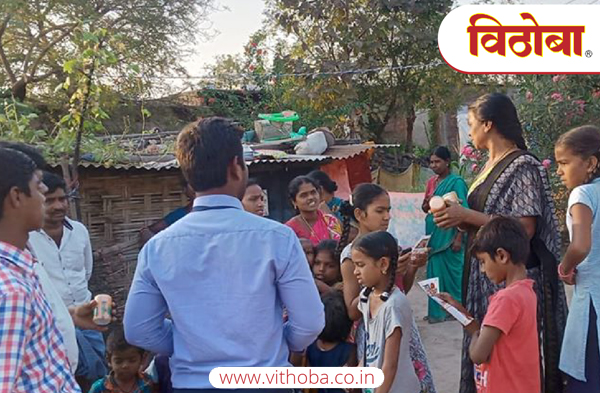
Oral disorders have remained the most prevalent disease group in rural India over the past three decades. As India is one of the countries consuming maximum tobacco, a leading cause of oral cancer, the problem has only aggravated in the recent past. The rapidly deepening dental health crisis in rural India mostly the result of lack of awareness about dental hygiene. Just small steps like cleaning teeth with ayurvedic dant manjan or tooth powder can help in building the oral health scenario in rural India.

The burden of dental diseases in India

Indians are largely affected by dental caries or tooth decay, periodontal disease, and oral cancer. According to the ministry of health and family welfare, while dental caries affect about 60% and periodontal disease about 85% of the Indian population, the country is considered the world capital for oral cancer. According to government estimates, more than 70% of school children are suffering from dental caries and more than 90% of the adult population is affected by periodontal disease.

Dental caries is one of the major causes of pain, discomfort and absenteeism from school and sometimes office work too. Gingival and periodontal diseases also account for tooth loss and associated disabilities.

According to the draft National Oral Health Policy 2018, the prevalence and recurrence of oral diseases in India is a silent epidemic. There has been next to no improvement in oral health status of Indian population in the past three decades.

Oral disorders have remained the most prevalent disease group in India over the past three decades affecting almost 66.7 crore (49.2% in comparison to 43.2 crore; 50.2%) people in 2017. Different oral conditions such as untreated caries of permanent teeth, untreated caries of deciduous teeth and severe periodontitis have a significant burden affecting 43.2 crores (32%), 11.2 crores (8.3%) and 18.1 crores (13.3%) people in India. Despite the scale of the problem, only 12.4% of adults have ever got their oral cavity examined by a dentist, the draft National Oral Health Policy 2018 notes.

The problem of dental diseases is more staggering in rural areas owing to inaccessibility to dental professionals. Lack of dental infrastructure and public hospitals is also a worrisome situation as this makes even the simple dental procedures unavailable to the common man who then has to bear the treatment from out of his pocket expenses. In such a situation he is usually forced to get his tooth extracted as this seems to be relatively cheaper without any awareness of the associated morbidity.

As India is one of the countries consuming maximum tobacco, a leading cause of oral cancer, the problem has only aggravated in the recent past. India has the highest number of oral cancers in the world with 75,000 to 80,000 new cases every year. All forms of chewing tobacco sold in small pouches across the country are a serious health hazard as they are targeted at the youth and children.

Ignorant to dental hygiene? Know the unknown facts

While it is widely known that poor dental care causes tooth decay, unwanted stains, bad breath and tooth loss, there are several unknown facts related to poor oral and dental hygiene that may lead to serious health problems. Doctors say mouth and body are integral to each other as one’s mouth is a window into what’s going on in the rest of the body. Doctors claim that poor oral hygiene is also linked to heart diseases, diabetes, pregnancy complications.

Bacteria present in gum diseases enter the bloodstream and this in turn increases the risk of heart attacks, poorly controlled diabetes, respiratory diseases and dementia. Research has also shown that a diseased mouth may contribute to immune system disorders and preterm birth. Also, there are many general health conditions such as AIDS and skin diseases which often first manifest in the mouth.

The draft oral health policy outlines the social determinants of oral health. Oral diseases are associated with an array of socio-economic and environmental factors including income, literacy, hygiene, sanitation, housing, and safe drinking water.

Research suggests that good dental health can keep several chronic health complications at bay. Not only does it prevent bad breath, tooth decay and gum disease, but also reduces the risk of health issues such as heart attack, stroke, poorly controlled diabetes and even preterm labor. Adopting simple techniques like brushing your teeth regularly with the best ayurvedic toothpaste, getting dental checkup once a while go a long way in maintaining good oral hygiene. It is more necessary than ever to take dental health seriously and spread the importance of oral hygiene, especially in rural India.

Mouth Ulcers : Causes, Symptoms, Treatments and Types

What Is a Mouth Ulcer?

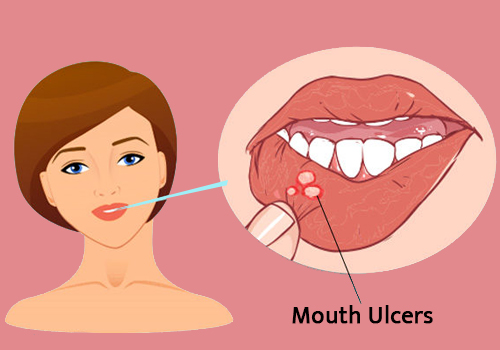
A mouth ulcer is a small, shallow open wound (or sore) in your mouth that can make eating and talking uncomfortable. They’re also known as canker sores. Mouth ulcers are common ailments that affect many people at some point in their lives. It is not a teeth or gum related problem that can be treated with the best Ayurvedic toothpaste or some change in dental routine can cure it.

These ulcers can appear on any of the soft tissues of your mouth, including your lips, cheeks, gums, tongue, and floor and roof of your mouth. You can even develop sores on your esophagus, the tube leading to your stomach.

Mouth ulcers, are usually a minor irritation and last only a week or two. In some cases, however, they can indicate mouth cancer or an infection from a virus, such as herpes simplex.

Mouth Ulcer Types

There are a few types of mouth ulcers:

  • Minor Mouth Ulcers. These may show up three or four times a year. They typically happen in people ages 10 to 20. They’re less than 1 centimeter across and heal in about a week with no scarring.
  • Major Mouth Ulcers. These are less common. The ulcers are bigger and can last more than 2 weeks. They often heal with scarring.
  • Herpetiform Mouth Ulcers. These are rare and show up as clusters of tiny ulcers. They usually heal in about a week.

Mouth Ulcer Symptoms

Ulcers can be painful, and the pain can be made worse by food, drink, and poor oral hygiene.

Herpetiform Ulcers may:

  • Appear as extremely painful ulcers in the mouth
  • Recur very quickly, so infections seem continuous
  • Increase in size, eventually coming together to form a large, ragged ulcer
  • Take 10 or more days to heal
  • Appear anywhere in the mouth

They tend to be found in more females than males and are more common in older adults.

Symptoms of minor and major ulcers include:

  • One or more painful sores that may appear on the cheeks, the roof of the mouth, or the tongue
  • The appearance of round spots that have red edges and are yellow, white, or gray in the middle

During more extreme outbreaks of mouth ulcers, some people may experience fever, sluggishness, and swollen glands.

Causes and Risk Factors

Things that might cause Minor Mouth Ulcers include:

  • Stress 
  • Tissue injury, like from a sharp tooth or a dental appliance
  • Certain foods, including citrus or acidic fruits and vegetables (such as lemons, oranges, pineapples, apples, figs, tomatoes, and strawberries)
  • Nonsteroidal anti-inflammatory drugs like ibuprofen
  • An allergy to something in your food or in your toothpaste or mouthwash
  • Helicobacter pylori, the bacteria that can cause peptic ulcers

Things that might cause Major Mouth Ulcers include:

  • An underlying health condition like a weakened immune system, HIV/AIDS
  • Nutritional problems like too little vitamin B12, zinc, folic acid, or iron
  • Gastrointestinal diseases

About 1 in 5 people gets mouth ulcers regularly. They’re more common in women, possibly because of hormonal differences. They may also run in families.

Mouth Ulcer Treatment

Minor mouth sores often go away naturally within 10 to 14 days, but they can last up to six weeks. Some simple home remedies might help reduce the pain and possibly speed up the healing process. You may want to:

  • Avoid hot, spicy, salty, citrus-based, and high-sugar foods
  • Avoid tobacco and alcohol
  • Gargle with salt water
  • Eat ice, ice pops, sherbet, or other cold foods
  • Use the best ayurvedic toothpaste that does not trigger ulcers
  • Take a pain medication, such as acetaminophen (Tylenol)
  • Avoid squeezing or picking at the sores or blisters
  • Apply a thin paste of baking soda and water
  • Gently dab on a solution that is 1 part hydrogen peroxide and 1 part water
  • Ask your pharmacist about other over-the-counter medications, pastes, or mouthwash that may be helpful, like Vithoba Ayurvedic Toothpaste.

Mouth Ulcer Prevention

There is no absolute way to prevent all mouth sores. However, you can take certain steps to avoid getting them. You should try to:

  • avoid very hot foods and drinks
  • chew slowly
  • use a soft toothbrush and practice regular dental hygiene
  • see your dentist if any dental hardware or teeth may be irritating your mouth
  • decrease stress
  • eat a balanced diet
  • reduce or eliminate food irritants, such as hot, spicy foods
  • take vitamin supplements, especially B vitamins
  • drink plenty of water
  • don’t smoke or use tobacco
  • avoid or limit alcohol consumption
  • shade your lips when in the sun

Once you follow these little tips, there would be no reason for mouth ulcers to show up, unannounced, in your mouth.

Teeth Whitening Myths and Facts

Some people want their teeth whitened because their pearly whites aren’t so white anymore. It’s no thanks to the food they eat, the beverages they drink, and their overall lifestyle choices (for example smoking) that have led to staining and discoloration.Using the best ayurvedic toothpaste for their pearly whites might not be enough for some people, hence going for newer techniques. Some people, meanwhile, undergo teeth whitening procedures or buy teeth whitening products even though the color of their teeth looks perfectly fine. They do it because they want their teeth to be as white as they can be.

Whatever a person’s reasons, there is no denying how popular teeth whitening has become these days. Tooth whitening is a popularly requested dental procedure.  The global market for teeth whitening products, in fact, is projected to reach $7.40 billion by 2024.

Myths about teeth whitening are still plenty

However, for all its popularity today, myths about teeth whitening still exist. Some of these myths are simply inaccurate or the what they advocate just doesn’t work. Worse, however, some of them can do more harm than good.

So, whatever you do, don’t believe the teeth whitening myths listed below:

  • Myth  You can whiten crowns, veneers, and fillings

           Fact   If you already have crowns, fillings, or veneers and you had a teeth whitening procedure, then you can expect unevenly-colored teeth afterward. That’s because crowns and other corrective materials are made of inorganic matter which will never respond to teeth whitening the way your real teeth will. So if you plan to have fillings, veneers, and crowns, it’s best to do the teeth whitening first.

  • Myth  Oil pulling can remove stains

           Fact   Many practice oil pulling, which involves swishing an edible oil, such as coconut oil, inside your mouth for a few minutes. Lifted from Ayurvedic medicine, oil pulling supposedly removes stains from your teeth and therefore leads to whiter teeth. Its effect is similar to the effect obtained by regular use of Vithoba ayurvedic toothpaste. While many may claim that oil pulling does provide certain health benefits, there is still no scientific research confirming that it is effective in whitening stained teeth.

  • Myth  You should avoid teeth whitening if you have sensitive teeth

           Fact   Just because you have sensitive teeth doesn’t necessarily mean you can’t do anything about the stains and discoloration that stop you from showing your full smile to the public. Having sensitive teeth is already problematic enough, and using the best ayurvedic toothpaste for sensitive teeth can help in relieving the problem, but that cannot be the reason you don’t opt for teeth whitening.  As always, dentists are ready to address any issues you might have about any dental procedure, teeth whitening included. Chances are, he or she will recommend the use of a special toothpaste before the procedure. Your dentist will also likely use a desensitizing gel or even rubber gum guards during the treatment just to make you more comfortable.

  • Myth  You can whiten your teeth using acidic fruits

           Fact   For those who advocate natural means of whitening their teeth, rubbing oranges, lemons, strawberries and other acidic fruits on their teeth is a popular practice. Doing so, however, does not remove stains. In fact, naturally acidic ingredients can cause serious damage by wearing away tooth enamel. Considering the fact that you can’t grow enamel back, you better avoid this teeth whitening practice.

  • Myth  Teeth whitening products can harm your enamel

           Fact   To be fair, some of the teeth whitening products that you can buy over the counter may do some damage to your enamel or gums, especially if you overuse it. However, your teeth and gums will be perfectly fine after teeth whitening if your dentist used a high-strength whitening gel. Such gels are known to be safe and effective. Contrary to what people say, whitening doesn’t involve taking your outer tooth layer off. What it does is open the pores of the outer layer, giving the cleaning agent access to the inner tooth stains.

  • Myth  Teeth whitening will give you a picture-perfect smile

           Fact   It’s true that most people expect a perfect smile after a series of whitening treatments, but in reality, results vary from person to person. Some do get that perfect smile because they have teeth that respond well to the whitening agents used on them. Some people, however, just happen to have teeth that are simply too stubborn to give their owners any favorable result despite multiple treatments. If you have teeth that are as stubborn the ones described above, then you might have to explore other options such as veneers since they may be the only way for you to get that perfect smile you’ve always wanted.

  • Myth  Professional whitening removes all tooth stains

           Fact   Teeth whitening procedures and products are often advertised as the best ways to remove stains and discoloration. However, the truth is, there are some types of discoloration or stains that whitening treatment cannot eliminate. For example, as we age the enamel on our teeth wears thin. Worse, getting older means the yellow dentin layer underneath becomes more visible. The typical result is teeth take on a gray hue. No amount of teeth whitening procedures and products can make them look whiter.

  • Myth  Over-the-counter teeth whitening is just as good as professional whitening

           Fact   If you’ve decided to DIY your own teeth whitening, then the strips, toothpaste, gum, and other teeth whitening products you can buy over the counter may help. However, comparing their effects and results to a professional whitening treatment is a different story altogether. If you’re only going for a temporary removal of the discoloration on the outside of your teeth, then your store-bought products may do the job. Professional whitening administered by a dentist, however, penetrates your teeth’s deeper layers and addresses the intrinsic staining that keeps them look darker.

  • Myth  Teeth whitening is forever

           Fact   There is no such thing as permanent teeth whitening results.Teeth whitening is believed to last up to three years. However, the duration may differ depending on the person. For those who eat or drink teeth-staining products such as coffee, tea, and red wine, amongst many other things, the likelihood of their teeth remaining white for such a period of time is low. The same goes for those who smoke.

  • Myth   UV light is a safe and effective way to whiten teeth

           Fact    There is no scientific evidence that UV light helps with whitening your teeth. On the other hand, UV rays may be harmful to not only your teeth but also to other nearby tissues as well including lips, gums, and even eyes. There is no reason to ask your dentist to use this procedure.

The bottom line

These are just some of the many teeth whitening myths that are making the rounds. To make sure you’re getting the facts right, make sure you consult a cosmetic dentist that you trust before starting any whitening treatment on your own.

Everything You Need To Know About Periodontal Diseases

Many people think it is normal if they have bleeding gums or swollen gums. They think the reason behind this is flossing or brushing teeth too hard.

But this is not the case.

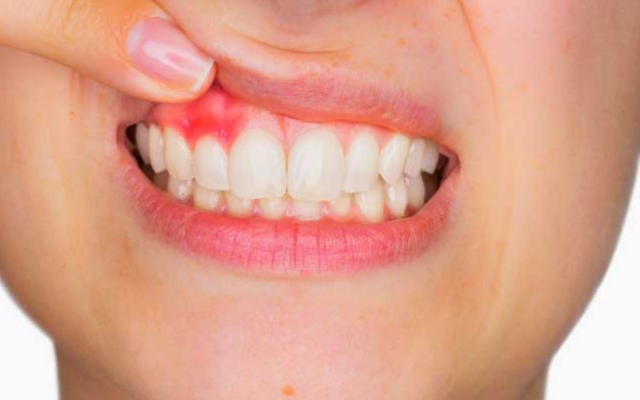
If you have swollen or bleeding gums, it is the sign of infection in gums. The infection could be caused by bacteria which act on your teeth and may spread the infection to other teeth as well.

Periodontal diseases are diseases related to swelling and bleeding gums.

In other words, infections caused by bacteria come under the category of periodontal diseases. Peri means around and dontal means teeth.

So, Periodontal means diseases around the teeth, i.e. diseases related to gums, root, ligament and alveolar bone.

Early stage of periodontal diseases, gingivitis, affects only gums. But in more severe cases, it affects the tissues that support the teeth.

The main cause of these diseases are the bacteria in plaque which are responsible for the infection of gums and teeth.

Plaque is the substance which sticks to the teeth soon after brushing them.

Our immune system releases substances to kill the bacteria which in turn causes damage to the gums and teeth.

This leads to swelling and bleeding of the gums and gingivitis. In some cases, the teeth may even become loose.

Prevention to any disease related to gums lies in the removal of plaque. Controlling plaque helps in limiting periodontal diseases.

This can be done in various ways. One way is how people administer oral hygiene and another way is how dentists recommend ways to prevent plaque. 

Brushing your teeth in an effective manner will help remove plaque daily from the teeth without causing damage to the teeth and gums.

Flossing is another technique useful in controlling plaque. Another method is regular usage of mouthwash.

A good mouthwash containing agents that removes plaque and maintain oral hygiene is a good habit that should be incorporated by everyone.

Using a good toothpaste like Vithoba Ayurvedic Toothpaste helps in the cleanliness of mouth and prevention of infections. It is considered as the best ayurvedic toothpaste in India as it helps in the prevention of periodontal diseases.

If plaque is persistent, opting for professional treatment is always a safe option.

Winter Tips For Healthy Teeth


The whole year we waited long for winter to come, because when the weather is cold outside, you get more time to spend in the inside. In winter you get time to enjoy with your family, as even they are avoiding to go out so that they don’t catch flu or anything. You are free to enjoy winter as you want, but some tips that might keep your mouth healthy throughout winter will not harm. Taking good care of teeth during winter will help you in achieving a nice smile and getting a good health.

Teeth sensitivity is a common problem that occurs during winter as our teeth become extra sensitive during winter when we try to drink or eat something hot or cold. If you are suffering from teeth sensitivity, then you must try brushing your teeth with extra soft toothbrush as they can also get your teeth clean like any other toothbrush without harming your sensitive teeth. Some of the most easy steps in maintaining your oral hygiene include brushing, flossing, rinsing your mouth after brushing, having a glass of warm water after brushing (it also helps in improving your digestion), chewing a gum as it kills the bacteria that causes cavities and generally gums make more saliva in your mouth which helps in bringing down the acid levels of your mouth.

Using a good toothbrush and a good toothpaste will also play an important role in keeping your oral hygiene intact during winter. During winter, as many people face the problem of tooth sensitivity, using an all natural toothpaste that might even solve the problem of tooth sensitivity would be the best cure. Now when one thinks of Natural and Ayurvedic toothpastes, one must look for a toothpaste that is the best Ayurvedic toothpaste in the market. Best Ayurvedic toothpaste could be defined by the ayurvedic ingredients which that toothpaste contains, like Vithoba Ayurvedic toothpaste, contains the goodness of menthol and oils of clove that keeps your mouth fresh.

The best way to know this is through a comprehensive dental exam. With regular examinations, and discussion with your dentist, you will know where you stand, which treatments may be needed, as well as which changes in oral hygiene and diet may help. Once you know your risk level, then you take a more specific, effective approach to improving your oral health.

Another advantage of knowing your cavity risk level: it will also determine how often dental visits are needed. The lower your risk, the less often you should need dental visits. Find out and discuss your risk level with your dentist during regular dental exams.Our bodies are made of 60% water, and staying hydrated helps your system distribute healthy nutrients, gets rid of waste, gives your skin a healthy glow and keeps your muscles moving. Sipping water is also one of the best things you can do for your teeth – especially if it’s fluoridated. Read on to find out why water is always a winner for your dental health.

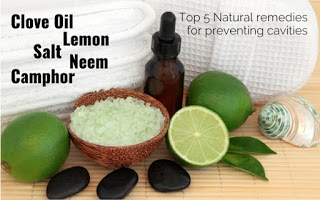
Top 5 Natural Remedies For Preventing Cavities


We still remember our childhood days when our mother usually used to scold us for eating too much of sweets and chocolates and the reason for not eating them too much which was put forth was ‘cavities’. The horror of getting ‘Cavities’ has haunted our whole childhood as we can say. But what exactly are cavities?

Dental cavities are tiny holes in the hard surface of the teeth.The most common culprit is a bacterium known as Streptococcus mutans which convert sugar to acid. The acids in the plaque remove minerals from (demineralize) your enamel — a coating of the teeth made mostly of calcium and phosphate causing erosion letting tiny holes in the enamel. Once the acid damage spreads into the dentin layer underneath the enamel, a cavity forms. Once a cavity has penetrated in to the dentin, you won’t be able to get rid of it which would involve painstaking treatment from the dentist. So prevention is always better than cure. So here are some of the natural ingredients which can reduce the risk of cavities.

1) Clove Oil– Clove oil helps in relieving the pain caused due to cavities and tooth decay. Its antimicrobial constituents help in inhibiting the growth of various types of bacteria, fungi, and viruses. Oil Pulling is a good method where take one teaspoon of clove oil and coconut oil and swish it in your mouth because it works as a great detoxification method for oral health.

2) Neem– Neem may seem an outdated option for all of you. But the magic of a neem twig is incomparable. That is why the people used to chew a neem twig in the olden times (Neem daatun), the first thing in the morning because the oils released from them show action against the bacteria causing cavities. They have a high fiber content which makes it effective against the plaque content.

3) Salt-Salt is a highly useful home remedy for cavities due to its high levels of anti-bacterial and antiseptic properties. It helps to reduce the acidic pH formed by the bacteria and helps in stopping their growth maintaining the alkalinity in the mouth. So add half a teaspoon of it in warm water and gargle for at least 30 seconds two times a day.

4) Camphor– A few drops of camphor oil on a cotton swab can reduce the tooth pain. Camphor Oil has germicidal, antimicrobial, and antiseptic properties that are effective in soothing a toothache and dealing with infections as it kills the germs on the spot leaving no lead for infection.

5) Lemon — Lemon or lime juice alone can ease the pain of a cavity because it contains vitamin C — excellent for killing bacteria in the mouth. And also one of the reason of getting cavities is lack of vitamin C.Using an asafoetida powder and lemon or lime juice, you can make a paste that’s easy to apply to teeth.Just heat it slightly and with the help of swab apply it.

Using these ingredients, we can surely ensure a good oral care against cavities. But how many of us can spare time for these remedies? Because nowadays everyone has a busy lifestyle where sparing some time for doing the remedies is what no one wants to do. Everyone wants a quick solution to all problems. What if all these natural ingredients are encased in a single pack so it becomes much better for us to use it in the form of toothpaste. But finding the best ayurvedic toothpaste in the traffic of fluoride containing toothpaste is very difficult. But one of the best ayurvedic toothpaste which can be named here is Vithoba ayurvedic toothpaste. Vithoba contains all the natural ingredients like clove, neem, lahore namak, cinnamon and camphor which work just heaven against not only cavities but also bad breath,

and much more. Also the Vithoba ayurvedic Dant Manjan which is considered as the best ayurvedic Dant Manjan in the whole market due to its quality and also the results which it has given from the last decade. So the Vithoba products are definitely worth using if you desire a good oral health tha too with a natural touch.

Design a site like this with WordPress.com
Get started